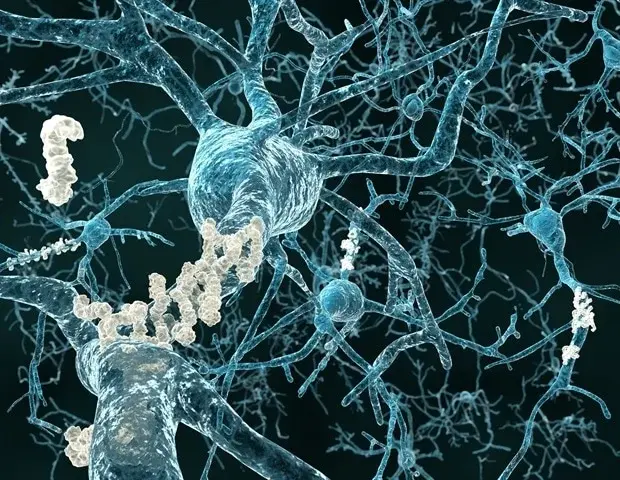
How Neuron Reactivation Improved Memory Performance
Researchers successfully restored the function of neurons tied to cognitive processing and information handling in mice engineered to model key aspects of Alzheimer's disease, demonstrating early potential for a targeted therapeutic approach in humans. The study, published today in the journal Neuron, reveals that intervening at the neuronal level can reverse functional deficits associated with memory decline, offering a promising direction for future treatments. The work was conducted by a team investigating the underlying circuit disruptions that precede noticeable cognitive symptoms in neurodegenerative conditions.
Wellness insights
 Healing Journey: A Therapist Reflects on Processing Deep Childhood Trauma
 Forest walks boost mood through sound and biodiversity awareness
 What Counselling in Two Different Countries Taught Me: Hansel Wong on Connection, Curiosity, and Culture
 Dr. LaNail Plummer Shares Insights on Starting Therapy
At the heart of the research is the relationship between specific neuronal networks and their ability to communicate effectively in the presence of Alzheimer's-related pathology. Scientists identified that certain neurons in the hippocampus—a brain region critical for memory formation—had become hypoactive despite remaining structurally intact. Using chemogenetic techniques, they selectively reactivated these underperforming neurons, which led to measurable improvements in the mice’s performance on memory-dependent tasks. The intervention did not alter amyloid plaque levels but restored neural dynamics essential for encoding and retrieving information, suggesting that functional rescue may be possible even without clearing pathological markers.
Can This Approach Be Translated to Humans?
By targeting a specific population of excitatory neurons in the dentate gyrus, researchers were able to boost their activity using designer receptors activated by designer drugs (DREADDs). This precise manipulation resulted in increased synaptic plasticity and normalized network oscillations during behavioral tests. Mice that received the intervention showed significant improvement in spatial memory tasks, such as navigating a water maze, performing nearly indistinguishably from healthy controls. Importantly, the effects were observed only when the neurons were stimulated during learning phases, indicating that timing and context are critical for therapeutic efficacy. These findings support the idea that cognitive decline in early Alzheimer's may stem from reversible network dysfunction rather than irreversible neuronal loss.
While the results are encouraging, scientists caution that translating chemogenetic methods to human patients presents significant challenges, including the need for safe, non-invasive ways to modulate deep brain structures. Current efforts are focused on identifying pharmacological or neuromodulation strategies—such as transcranial magnetic stimulation or targeted drug delivery—that could mimic the effects seen in mice. Researchers are also exploring biomarkers to identify individuals with similar neuronal hypoactivity before widespread cognitive impairment occurs. Success would depend on early detection and precise intervention, highlighting the importance of combining advanced diagnostics with circuit-based therapies.
What type of neurons were targeted in the study? The researchers focused on excitatory neurons in the dentate gyrus of the hippocampus, a region vital for forming new memories, which showed reduced activity in the Alzheimer's-model mice despite not being destroyed.
Frequently Asked Questions
Did the treatment reduce Alzheimer's pathology like amyloid plaques? No, the intervention did not change levels of amyloid plaques or tau tangles; instead, it restored the functional activity of existing neurons, improving memory performance independently of plaque burden.
Is this method currently being tested in human trials? Not yet. The chemogenetic approach used in mice requires genetic modification and is not applicable to humans directly, but the findings are guiding the development of non-invasive strategies to enhance neuronal function in early Alzheimer's disease.