How Bmal1 Loss Alters Drinking Behavior
Researchers at Concordia University in Montreal have identified a sex-based difference in how a key circadian gene affects alcohol consumption. The study focused on the Bmal1 gene, which plays a central role in regulating the body's internal clock. When scientists removed this gene from a specific brain region, the effects on drinking behavior varied significantly between male and female subjects.
Wellness insights
 Social support networks of older adults before, during and after the COVID-19 pandemic
 College Mental Health Crisis Shows Signs of Easing
 Why Depression Subtypes Matter: 25 Years of Clinical Lessons
 Choosing Adjunctive Therapy for Major Depressive Disorder: A Focus on Non-Negotiables
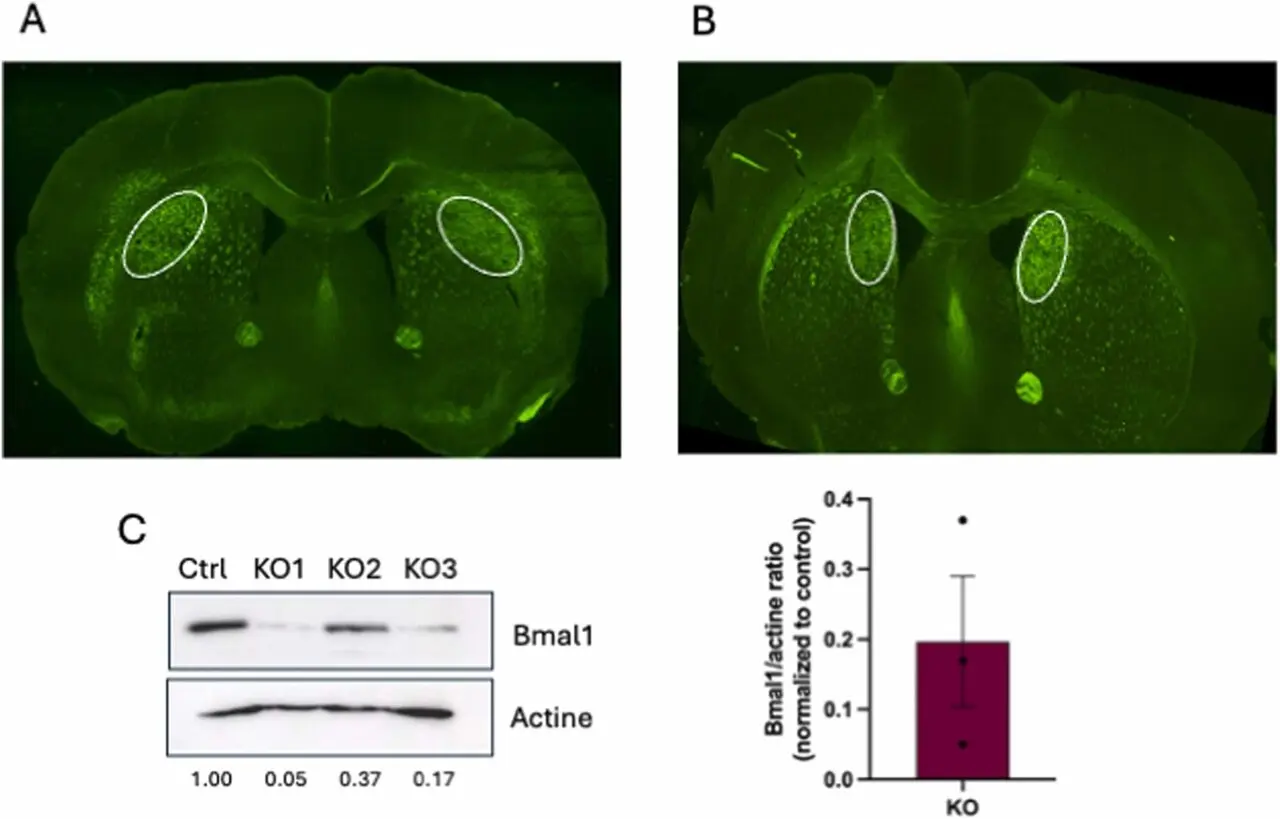
The experiment involved genetically modifying mice to delete the Bmal1 gene in a targeted area of the brain. This approach allowed researchers to isolate the gene's specific influence on alcohol-seeking behavior. The findings revealed that the absence of Bmal1 did not produce the same outcome in both sexes. Instead, the gene's role in modulating alcohol intake appears to be fundamentally different for males and females. This suggests that the brain's clock mechanism interacts with sex-specific neurobiological pathways.
Why Sex Differences Matter for Addiction Research
Understanding these divergent responses is critical for developing targeted treatments for alcohol use disorder. If the clock gene influences drinking differently by sex, future therapies may need to account for gender-specific mechanisms. The research highlights a gap in current addiction studies, which often treat males and females as a single group. By identifying this distinction, the study opens the door to more precise interventions.
Does removing Bmal1 always increase alcohol consumption? No. The study found that the effect of Bmal1 removal on drinking varied by sex, meaning it did not uniformly increase intake across all subjects.
Frequently Asked Questions
Which brain region was targeted for gene removal? The researchers removed the Bmal1 gene from a specific region of the brain, though the exact anatomical site is detailed in the full Concordia publication.
Can these mouse findings apply to humans? While the study used mice, the results suggest that circadian gene variations may influence alcohol behavior in humans as well, warranting further clinical investigation.