Shared Space, Shared Calm
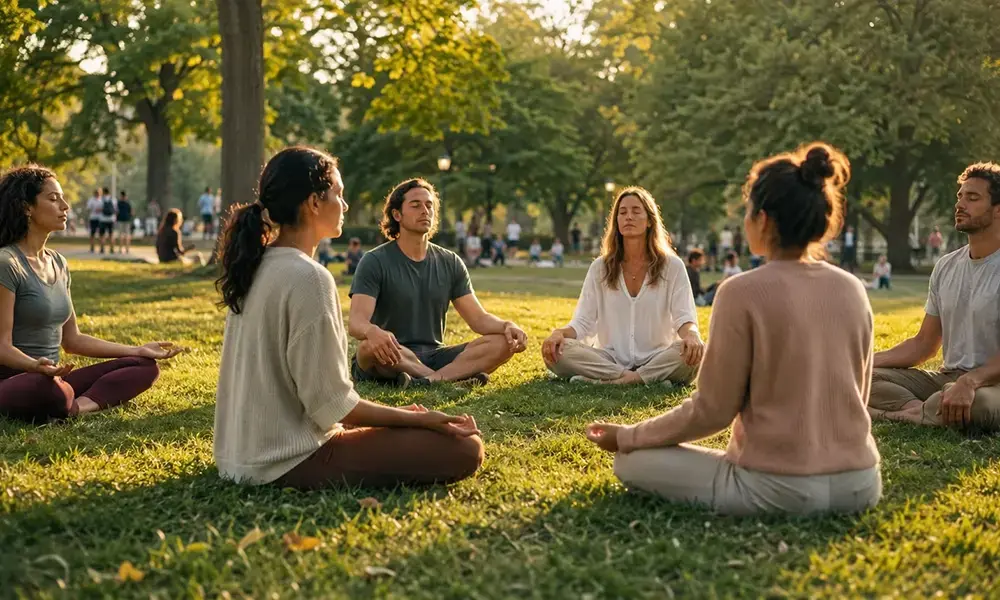
A surge of group meditation gatherings is reshaping how people practice mindfulness. Across urban studios and community centers, participants gather for ten‑minute sessions, swapping solitary earbuds for shared silence. The trend emerges as many discover that solo routines often fade after a few weeks.
Wellness insights
 Brain Wiring Explains Why Trauma Victims Struggle To Find Joy
 Healing Journey: A Therapist Reflects on Processing Deep Childhood Trauma
 Forest walks boost mood through sound and biodiversity awareness
 What Counselling in Two Different Countries Taught Me: Hansel Wong on Connection, Curiosity, and Culture
Meditation once thrived in communal halls, where chants echoed and breaths aligned. Today, most practitioners retreat behind closed doors, following recorded guides on headphones. The convenience is undeniable, yet the solitary format can feel fleeting. Experts argue that the collective atmosphere restores the practice’s original purpose, offering structure and a sense of belonging that recordings cannot provide.
In a downtown studio, a circle of twenty people settles onto cushions, eyes closed, bodies still. The room hums with quiet energy, each breath reinforcing the next. Teachers note that the presence of others creates a subtle pressure to stay present, reducing the urge to check phones or drift. „When we sit together, the silence feels deeper,” one instructor explains. Participants report that the shared rhythm helps them enter meditation faster than when they practice alone. The group’s collective focus also generates a feeling of support, turning meditation into a communal ritual rather than a private task.
Can a Group Keep You Consistent?
Consistency is the biggest hurdle for solo meditators. Without a set schedule or a fellow participant, motivation wanes. Group sessions, scheduled at regular times, act as a calendar reminder. Attendees often say that the expectation of meeting peers makes them less likely to skip a session. The social commitment, combined with the shared experience, builds a habit that endures beyond the studio walls. As one longtime practitioner puts it, „I’m more likely to keep meditating because I don’t want to let the group down.”
The shift toward group meditation may reshape the wellness landscape. As more people seek connection, studios are expanding class offerings, and workplaces are introducing group mindfulness breaks. If the trend continues, meditation could regain its communal roots, blending ancient practice with modern social needs. The result may be a more resilient, engaged community of meditators who benefit from both inner peace and outward support.
Frequently Asked Questions
Is group meditation suitable for beginners? Yes. Instructors typically guide newcomers through basic techniques, making the environment welcoming for all skill levels.
Do I need special equipment for group sessions? No. Most groups provide cushions or chairs, and participants only need comfortable clothing and an open mind.
Can I still practice alone after joining a group? Absolutely. Many find that group sessions reinforce personal practice, allowing them to meditate confidently on their own.