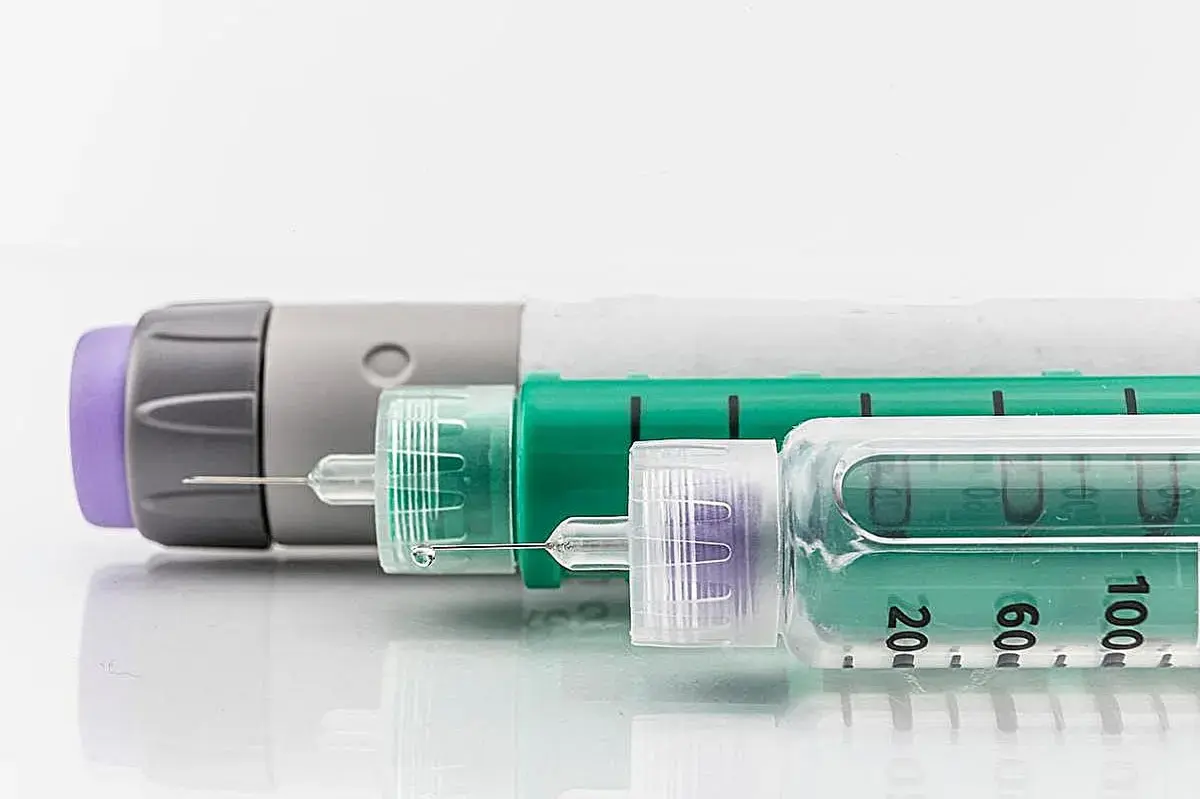
New Hope for Diabetes Patients
A recent study reveals that tirzepatide is more effective than intensified conventional care for adults with early type 2 diabetes who are not adequately controlled on metformin. This finding highlights the potential of tirzepatide as a leading treatment option in diabetes management.
Wellness insights
 Brain Wiring Explains Why Trauma Victims Struggle To Find Joy
 Healing Journey: A Therapist Reflects on Processing Deep Childhood Trauma
 Forest walks boost mood through sound and biodiversity awareness
 What Counselling in Two Different Countries Taught Me: Hansel Wong on Connection, Curiosity, and Culture
The research indicates that tirzepatide offers significant advantages over traditional treatment methods. Participants in the study who received tirzepatide experienced better blood sugar control compared to those undergoing intensified conventional care. This is particularly relevant for patients struggling with early stages of type 2 diabetes, where effective management is crucial to prevent complications.
Tirzepatide, a novel medication, works by mimicking hormones that regulate blood sugar levels. It helps increase insulin secretion and reduces appetite, contributing to weight loss and improved metabolic health. The study's results suggest that this medication could become a first-line treatment for patients who have not responded adequately to metformin alone.
Is Tirzepatide the Future of Diabetes Management?
The trial involved a diverse group of participants, allowing researchers to assess the drug's effectiveness across different demographics. The findings showed that tirzepatide led to a greater reduction in HbA1c levels, a key indicator of long-term blood sugar control, compared to intensified conventional care. This outcome could shift the treatment paradigm for early type 2 diabetes.
As diabetes rates continue to rise globally, the need for effective treatment options becomes increasingly critical. With tirzepatide demonstrating superior efficacy, healthcare providers may consider it a viable alternative to traditional therapies. The study's authors emphasize the importance of early intervention in diabetes management, which can significantly improve patients' quality of life and long-term health outcomes.
Looking ahead, the adoption of tirzepatide in clinical practice could transform how early type 2 diabetes is treated. Patients may benefit from fewer complications and better overall health if this medication becomes widely available. Ongoing research will be essential to further establish its long-term safety and effectiveness.
Frequently Asked Questions
What is tirzepatide? Tirzepatide is a new medication designed to help control blood sugar levels in individuals with type 2 diabetes. It mimics hormones that regulate insulin and appetite.
How does tirzepatide compare to traditional treatments? The study found that tirzepatide is more effective than intensified conventional care for patients not adequately controlled on metformin, leading to better blood sugar management.
What are the implications for diabetes treatment? If tirzepatide gains broader acceptance, it could change the approach to treating early type 2 diabetes, potentially improving patient outcomes and reducing complications associated with the disease.