Why Some Precancerous Cells Stall Before Turning Malignant
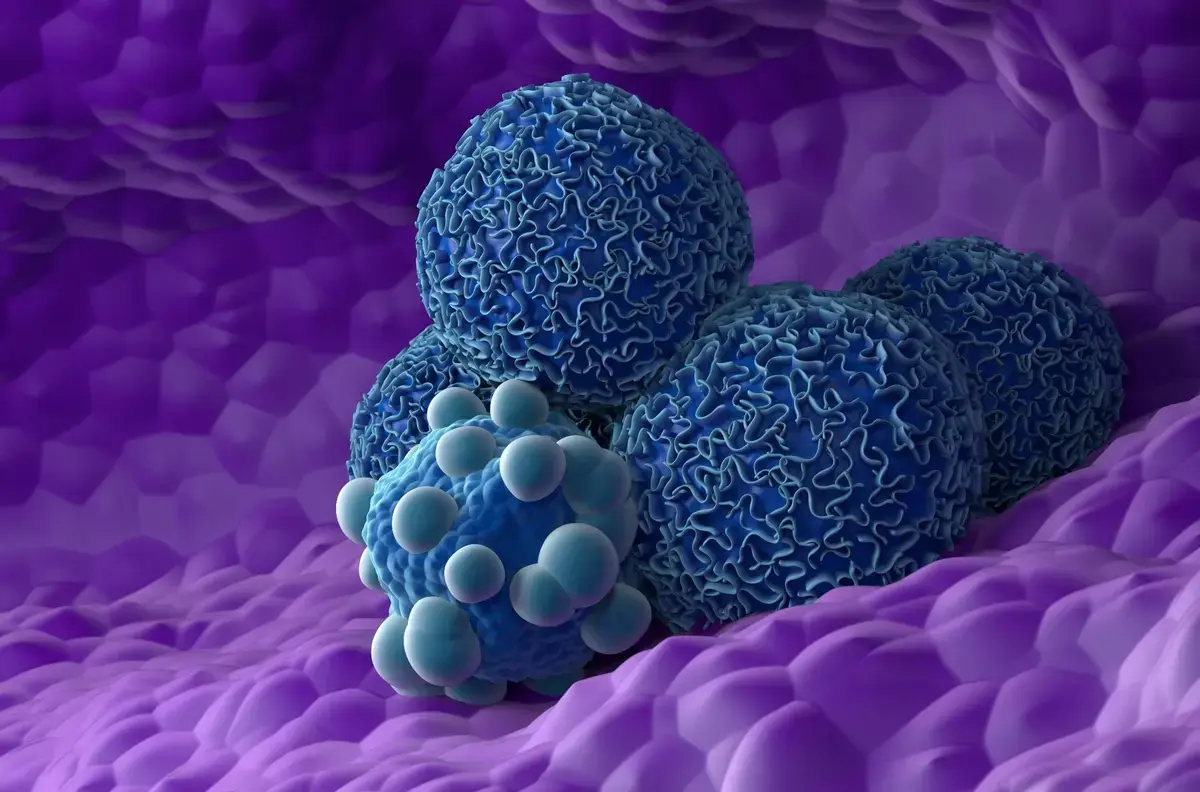
A new study reveals that precancerous pancreatic cells often fail to turn deadly because surrounding tissues lack support for cancer progression. Researchers analyzed human pancreas samples to map cellular changes.
Wellness insights
 Personality Traits Predict Speed of Depression Recovery
 Depression and anxiety rival chronic illness in health impact
 Brain Healing After Alcohol Cessation Lacks Fixed Timeline
 Brain Wiring Explains Why Trauma Victims Struggle To Find Joy
Using spatial and single-cell analysis of human donor pancreata, scientists found that while PanIN (pancreatic intraepithelial neoplasia) epithelial cells gradually appear more cancer-like, their surrounding microenvironment often remains unchanged. The stroma and immune cells—key players in tumor growth—do not always evolve in sync with the abnormal epithelial cells. This mismatch limits the lesions’ ability to become invasive cancer.
The study highlights a phenomenon called „asynchronous evolution,” where epithelial cells acquire mutations and abnormal features over time, but the surrounding tissue does not follow suit. In aggressive cancers, the stroma typically thickens and immune cells shift to pro-tumor roles—changes that help cancer spread. However, in many PanIN cases, these supportive changes are absent. Without them, even advanced-looking lesions may remain harmless.
„This disconnect suggests the microenvironment acts as a gatekeeper,” said one researcher. „Cells can look dangerous, but without the right neighborhood, they can’t progress.” The team examined tissue architecture and cell signaling patterns, finding that less than 30% of high-grade PanINs showed matching stromal activation.
Can We Predict Which Lesions Will Become Cancerous?
These findings challenge the long-held belief that precancerous lesions inevitably advance if left unchecked. Instead, they suggest malignancy requires coordinated changes in both epithelial cells and their surroundings. The results may explain why pancreatic cancer is relatively rare despite the high prevalence of PanINs in aging populations.
The key question now is identifying which PanINs will recruit a cancer-supportive environment. Researchers believe future screening could focus not just on cell appearance, but on microenvironment markers like immune cell types and stromal signaling molecules. Early detection strategies might shift toward monitoring tissue crosstalk, not just cellular abnormalities.
„Not all precancers are equal,” the team noted. „Some are ‘lonely bad cells’ without the support system to thrive.” This insight could reduce unnecessary surgeries for low-risk lesions while targeting high-risk cases earlier.
Frequently Asked Questions
Understanding this biological bottleneck opens new paths for prevention. Therapies might one day block the microenvironment shifts that enable cancer progression, effectively freezing lesions in place.
What are PanINs? PanINs are precancerous cell changes in the pancreas, often found in older adults. Most never become cancer, but some can progress if conditions allow.
Why don’t all precancerous cells turn into cancer? Because cancer development requires more than genetic changes in cells. The surrounding tissue must also transform to support growth and invasion.
Could this lead to better screening tests? Yes. Future tests may analyze both cell features and microenvironment signals to predict which lesions pose real risk, improving early detection and treatment decisions.