Beyond the Clinical Outcome
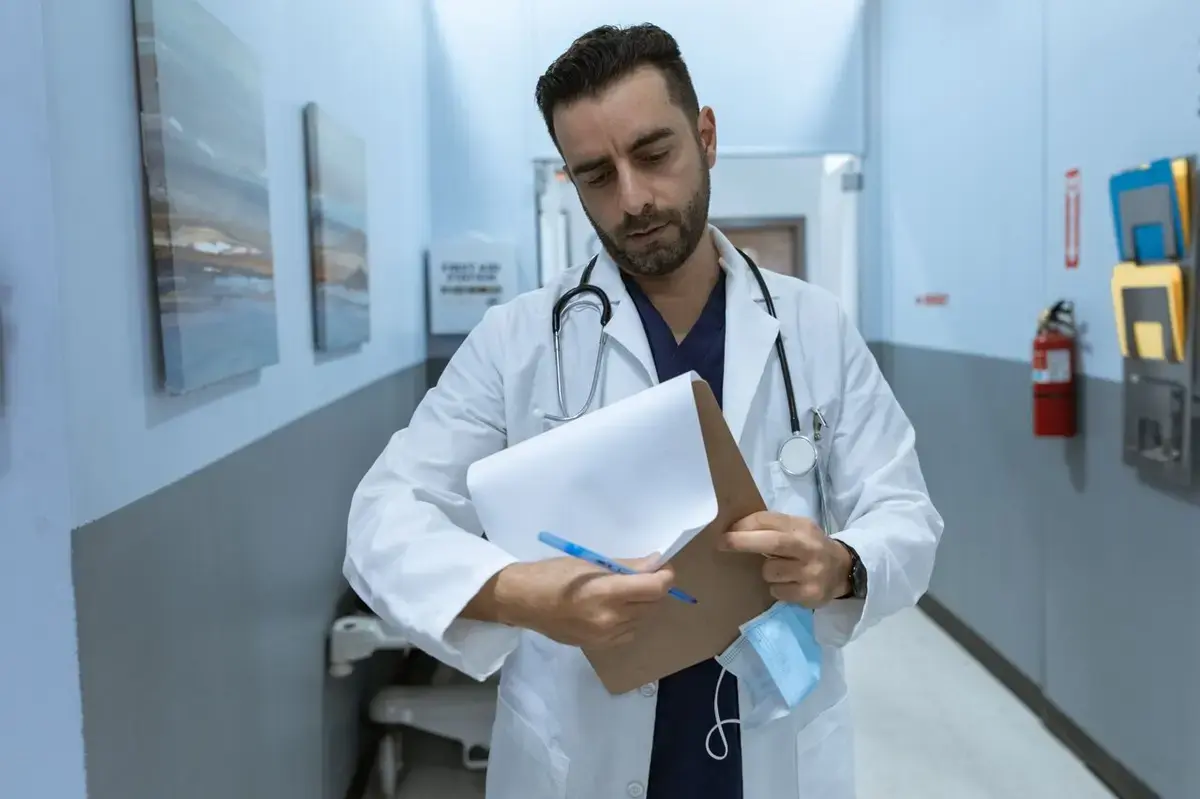
A new study reveals the deep emotional and professional wounds experienced by doctors after patient safety incidents. Researchers interviewed physicians to understand the lasting impact of these events. The study focused on how these incidents affect a doctor’s well-being and practice. It was conducted by Keele University researchers.
Wellness insights
 Mindfulness Program Cuts Depression Relapse Risk for New Mothers
 Measuring Eudaimonic Growth in Therapy Settings
 Hidden Hurts Behind Wealth and Privilege
 Unlocking Peak Performance Through Brain Chemistry
Patient safety incidents, even when not legally actionable, can profoundly affect physicians. These events trigger feelings of grief, guilt, and self-doubt. Doctors often struggle with anxiety and depression following such experiences. The research highlights a significant gap in support systems for physicians dealing with these emotional burdens.
The study found that the impact extends beyond the immediate clinical consequences. Physicians often experience a loss of trust in their own judgment. They may question their skills and competence, leading to professional distress. Some doctors reported symptoms similar to post-traumatic stress. These symptoms included intrusive thoughts and avoidance behaviors.
Can Support Systems Truly Heal?
Researchers emphasized that the emotional toll isn’t limited to incidents resulting in serious harm or death. Even minor errors or near misses can cause significant distress. The interviews revealed a pattern of self-blame and moral injury among physicians. They feel responsible for failing their patients, even when systemic factors contribute to the error.
The current healthcare system often focuses on preventing errors, but provides limited support for doctors after an incident. Many physicians feel isolated and hesitant to seek help. They fear being perceived as incompetent or facing professional repercussions. This reluctance creates a cycle of silence and suffering. The study suggests a need for dedicated support programs. These programs should offer confidential counseling and peer support groups.
The research team argues that acknowledging the emotional impact of patient safety incidents is crucial. It's not simply about preventing errors; it’s about caring for the caregivers. Failing to address physician well-being can lead to burnout, decreased job satisfaction, and ultimately, a decline in patient care. A more compassionate and supportive healthcare culture is essential.
Frequently Asked Questions
What is „moral injury” in the context of medical errors? Moral injury occurs when a physician acts in a way that violates their own moral code, or witnesses such an action. This can happen during patient safety incidents, leading to deep emotional distress and feelings of betrayal.
How can hospitals better support doctors after an incident? Hospitals should offer confidential counseling services and peer support groups. Creating a non-punitive environment where doctors feel safe discussing errors is also vital. This encourages learning and prevents further incidents.
Does this impact all medical specialties equally? While all specialties are affected, those dealing with critically ill patients or high-risk procedures may experience a greater emotional toll. Emergency medicine and surgery are often cited as particularly challenging areas.