
The Gap Between Policy and Reality
A new study reveals that having insurance does not equal access to mental health services. Researchers tested provider networks by calling clinics listed in commercial plans. They posed as patients seeking appointments. The results showed most calls ended without securing a slot. This gap between policy promises and real-world availability is widening.
Wellness insights
 Healing Journey: A Therapist Reflects on Processing Deep Childhood Trauma
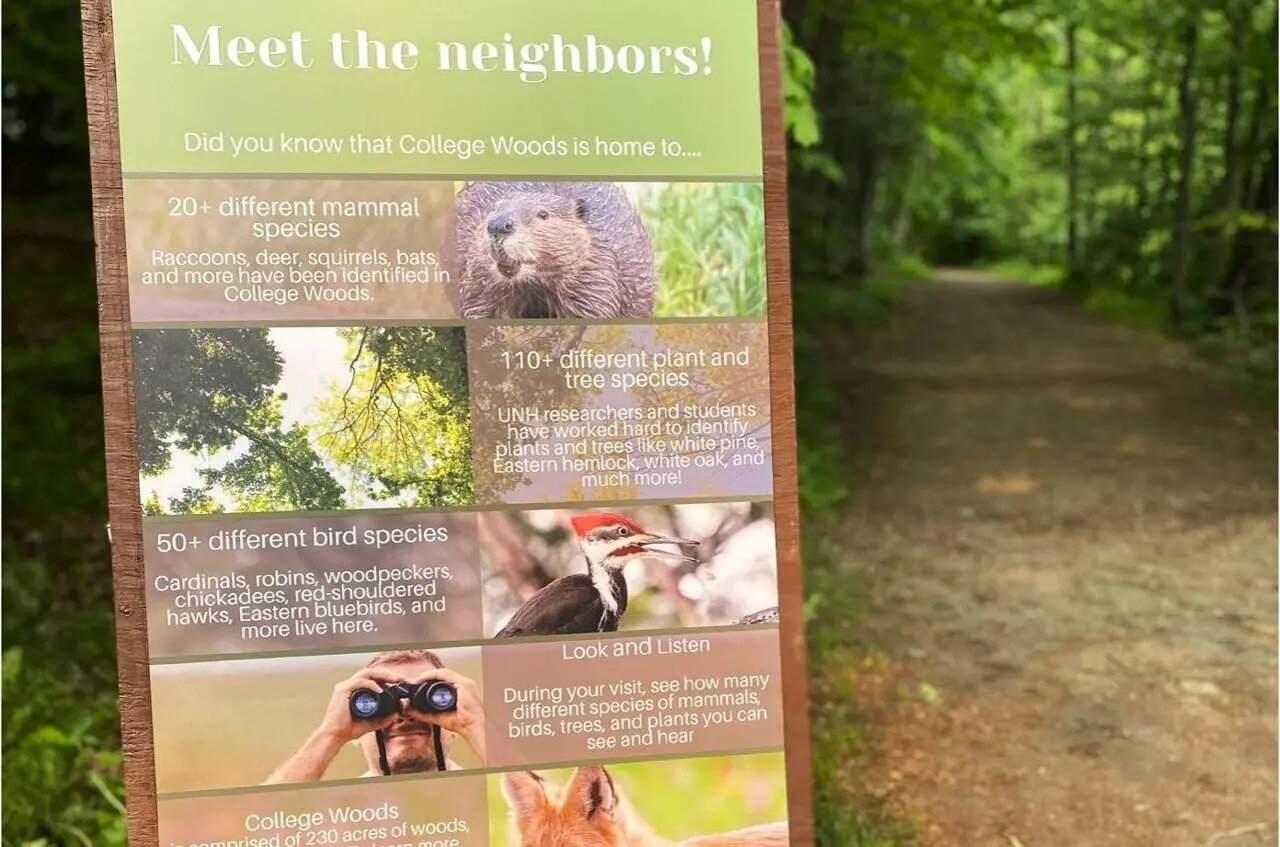 Forest walks boost mood through sound and biodiversity awareness
 What Counselling in Two Different Countries Taught Me: Hansel Wong on Connection, Curiosity, and Culture
 Dr. LaNail Plummer Shares Insights on Starting Therapy
The study used a secret shoppermethodology. Researchers called providers and asked for appointments for common issues. They found that securing a slot was usually difficult or impossible. Many providers had long wait times or were fully booked. This undermines the core promise of commercial insurance.
Why Does This Matter for Patients?
Commercial insurance markets advertise strong provider networks. They claim patients can see specialists quickly. In practice, the data tells a different story. Researchers documented repeated failures to book appointments. This highlights a systemic failure in mental health access.
Patients with insurance still face long waits for care. The study shows that network size does not translate to availability. This creates a barrier for those needing timely support. The findings suggest insurers must improve network management.
Does having insurance guarantee a mental health appointment? No. The study found that securing an appointment was usually difficult or impossible despite active coverage.
Frequently Asked Questions
How did researchers test provider access? They used a secret shopper method, calling providers listed in commercial insurance networks.
What is the main takeaway? Insurance coverage does not ensure timely access to mental health care. Providers often lack available slots.