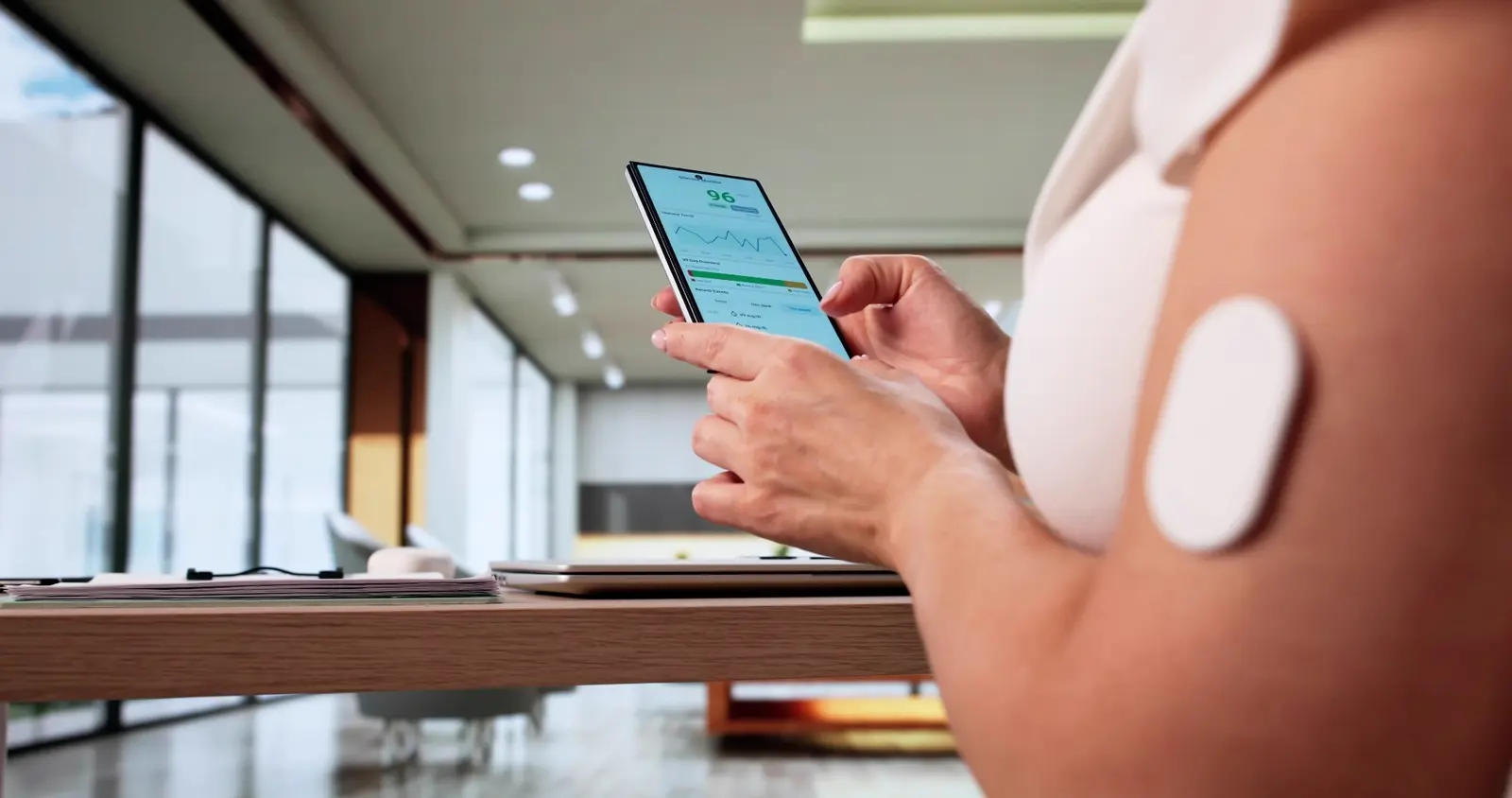
How Stable Blood Sugar May Protect Kidney Function
Researchers tracked more than 25,000 high-risk adults with type 2 diabetes over three years to assess the long-term effects of continuous glucose monitoring on blood sugar control and kidney health. The study, conducted across multiple clinical sites, aimed to determine whether sustained use of these devices could reduce diabetes-related complications beyond short-term glucose management. Participants were selected based on elevated risk for kidney disease, making the findings particularly relevant for vulnerable populations.
Wellness insights
 Brain Wiring Explains Why Trauma Victims Struggle To Find Joy
 Healing Journey: A Therapist Reflects on Processing Deep Childhood Trauma
 Forest walks boost mood through sound and biodiversity awareness
 What Counselling in Two Different Countries Taught Me: Hansel Wong on Connection, Curiosity, and Culture
Continuous glucose monitoring involves wearing a small sensor that measures glucose levels in real time, allowing users and healthcare providers to make informed decisions about diet, medication, and activity. Over the three-year period, researchers observed that consistent use of these monitors was associated with more stable glycemic control and a slower decline in kidney function compared to intermittent monitoring methods. The data suggested a possible protective effect on kidney health, though researchers cautioned that further investigation is needed to confirm causality.
Could Wider Access Improve Long-Term Diabetes Outcomes?
Maintaining steady glucose levels reduces stress on the kidneys, which are particularly vulnerable to damage from prolonged high blood sugar. In the study, participants who used continuous glucose monitors spent more time within their target glucose range, which correlated with lower levels of albuminuria—a key marker of kidney damage. While the study did not prove that the monitors directly caused improved kidney outcomes, the association remained significant after adjusting for age, medication use, and baseline kidney function. Experts suggest that the real-time feedback from these devices may encourage better adherence to treatment plans and lifestyle changes.
If future studies confirm these findings, expanding access to continuous glucose monitoring could become a strategic priority in diabetes care, especially for high-risk groups. Current barriers include cost, insurance coverage, and patient education, all of which limit widespread adoption. Researchers involved in the study emphasized that technology alone is not a solution but works best when integrated into a comprehensive care plan that includes regular medical supervision and patient support. They called for larger, longer trials to explore whether early and sustained use of these monitors could delay or prevent the onset of chronic kidney disease in diabetic patients.
What did the study find about kidney health after three years of monitor use? Participants using continuous glucose monitors showed a slower decline in kidney function and lower markers of kidney damage compared to those with less frequent monitoring, suggesting a potential protective effect.
Frequently Asked Questions
Are continuous glucose monitors currently recommended for all type 2 diabetes patients? No, they are typically prescribed for individuals on intensive insulin therapy or those with difficulty managing blood sugar, though guidelines are evolving as more long-term benefits emerge.
Is there proof that the monitors directly improve kidney outcomes? Not yet—the study found a strong association but did not establish causation, so further research is needed to determine if the devices themselves contribute to better kidney health.