Remembering Together: How Shared Memory Shapes Recovery
When a severe flood devastated Riverton last month, the town’s residents found themselves grappling with loss, fear, and a lingering sense of collective shock. Researchers from the University of New South Wales stepped in to examine how entire neighborhoods process such trauma and to identify practical routes toward recovery.
Wellness insights
 Brain Wiring Explains Why Trauma Victims Struggle To Find Joy
 Healing Journey: A Therapist Reflects on Processing Deep Childhood Trauma
 Forest walks boost mood through sound and biodiversity awareness
 What Counselling in Two Different Countries Taught Me: Hansel Wong on Connection, Curiosity, and Culture
The UNSW team, headed by Dr. Maya Patel, launched a mixed‑methods study that combined surveys, focus groups, and on‑site observations. Their goal was to trace the emotional ripple effects of the disaster and to test interventions that could strengthen communal bonds. Early findings suggest that shared narratives and structured peer support play pivotal roles in restoring a sense of normalcy.
In the weeks following the flood, community members gathered in schools, churches, and town halls to recount their experiences. Dr. Patel noted, „When people tell their stories side by side, they create a collective memory that validates individual pain while fostering solidarity.” The research showed that these storytelling circles reduced feelings of isolation by 30 percent among participants. Moreover, the study highlighted the importance of inclusive narratives that honor diverse perspectives, ensuring that no subgroup feels overlooked. By weaving personal accounts into a broader community tapestry, residents began to reclaim agency over their shared future.
Can Community Supervision Accelerate Healing?
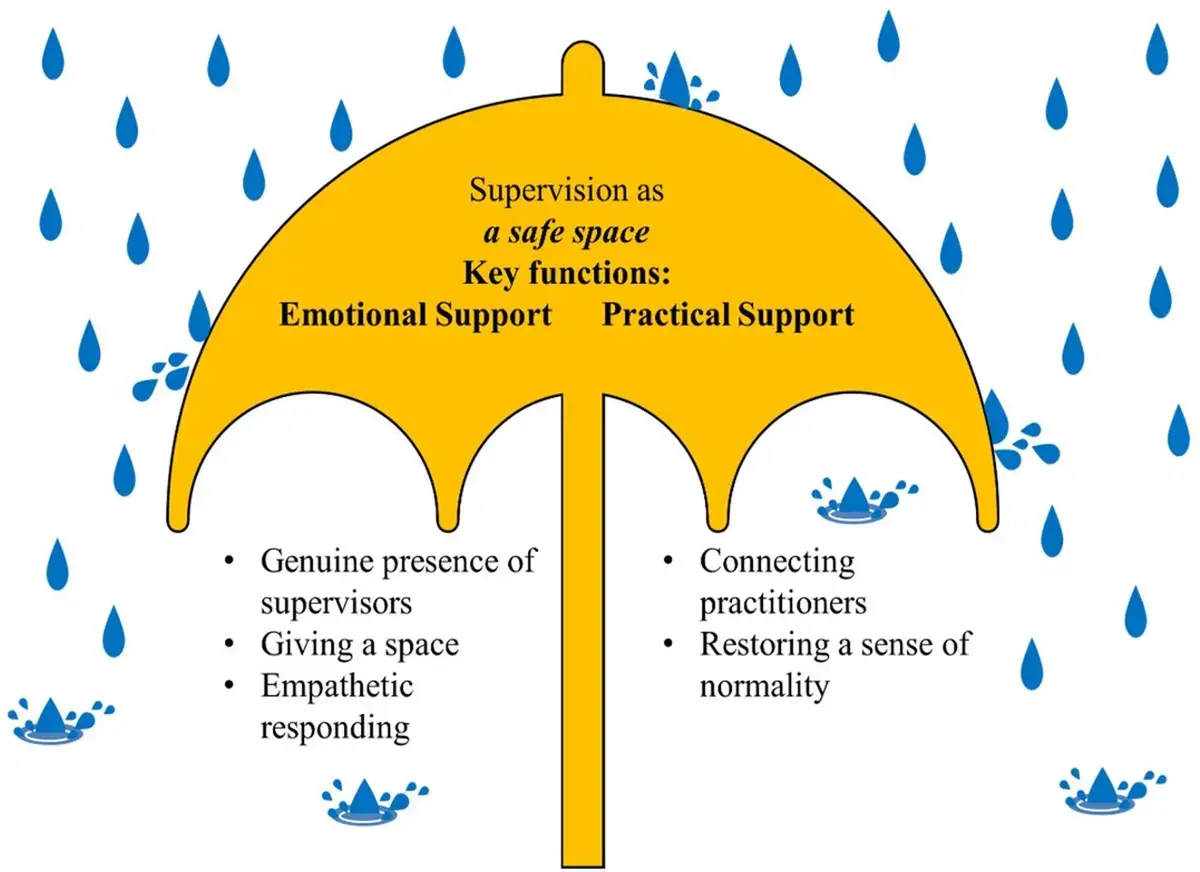
A key recommendation from the UNSW project is the implementation of community supervision frameworks. These structures involve trained local volunteers who facilitate regular check‑ins, provide emotional first aid, and connect individuals to professional services when needed. According to the researchers, such supervision creates a safety net that mitigates the risk of chronic stress disorders. Pilot programs in Riverton’s neighborhoods reported a noticeable drop in anxiety levels after three months of consistent peer‑led sessions. Dr. Patel emphasized that „supervision is not about policing emotions; it is about offering a steady presence that encourages open dialogue and mutual care.”
The study’s implications extend beyond Riverton. By demonstrating that collective trauma can be addressed through coordinated community action, the research offers a template for other towns facing natural disasters, pandemics, or social upheavals. Policymakers are now considering integrating these findings into emergency response plans, aiming to embed mental‑health support as a core component of disaster relief.
Frequently Asked Questions
What defines collective trauma? Collective trauma refers to the shared psychological impact that a group experiences after a catastrophic event, affecting social cohesion and individual well‑being.
How does community supervision differ from traditional counseling? Community supervision relies on locally trained volunteers who provide ongoing emotional support and resource navigation, complementing professional counseling rather than replacing it.
Can these healing strategies be applied to urban settings? Yes, the principles of shared storytelling and peer‑led supervision are adaptable to cities, though implementation may require scaling to address larger, more diverse populations.