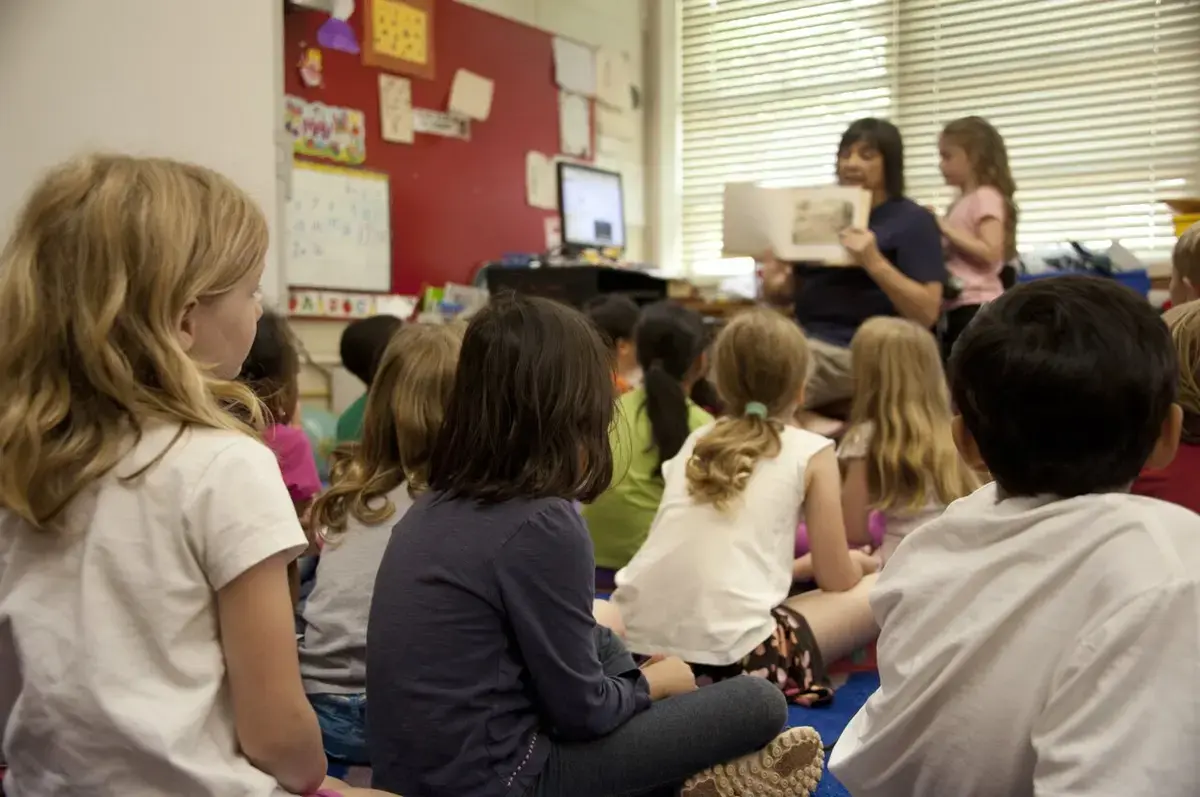
Building a Foundation of Trust
Researchers at Adelaide University investigated how early learning centers help children dealing with trauma. The study focused on teacher confidence and its impact on creating secure environments. Findings were recently published in The Australian Educational Researcher. This research aims to improve support for vulnerable young children.
Wellness insights
 Managing Stress Without Turning to Substances
 Disruption of Striatal D2 Receptor Neurons Drives ADHD and Impulsivity
 Nighttime Light May Worsen Sleep for Those With Schizophrenia
 Do antidepressants actually alter brain structure? A massive neuroscience study weighs in
The study examined „teacher self-efficacy”—essentially, how sure teachers are about their skills and knowledge. Researchers believe this confidence is crucial for responding effectively to children who have experienced difficult events. A supportive classroom environment is vital for these children’s development. It allows them to feel safe and begin to heal.
The research highlights that teachers who feel prepared are better equipped to handle sensitive situations. They can more effectively recognize signs of trauma in young children. This early identification is key to providing appropriate support. Teachers with high self-efficacy also demonstrate greater responsiveness to a child’s emotional needs.
Can Confidence Replace Resources?
Researchers found that confident teachers create a more predictable and nurturing classroom. This predictability helps traumatized children regulate their emotions. It allows them to focus on learning and social interaction. The study emphasizes the importance of ongoing professional development for childcare providers. Training should focus on trauma-informed practices.
While resources are important, the study suggests teacher confidence can be a powerful factor. Even with limited materials, a confident teacher can foster a safe and supportive atmosphere. They can build strong relationships with children, offering them a sense of security. This relational aspect is often more impactful than any specific program or tool.
However, researchers caution that confidence alone isn’t enough. Adequate training and support systems are still essential. Teachers need access to resources and guidance when dealing with complex trauma cases. Collaboration with specialists, like child psychologists, can also be beneficial.
Frequently Asked Questions
Ultimately, this research underscores the critical role teachers play in supporting children’s emotional wellbeing. By prioritizing teacher confidence and providing ongoing professional development, early learning centers can create environments where all children can thrive. Neglecting this aspect could hinder a child’s healing process and impact their future development.
What exactly is „teacher self-efficacy”? It's a teacher’s belief in their ability to successfully manage the classroom and meet the needs of their students. This includes feeling prepared to address challenging behaviors and provide emotional support, particularly for children who have experienced trauma.
How does trauma manifest in young children? Trauma can present in many ways, including increased anxiety, difficulty concentrating, and behavioral changes. Young children may also exhibit regression in skills, such as bedwetting or difficulty separating from caregivers. Recognizing these signs is the first step in providing support.