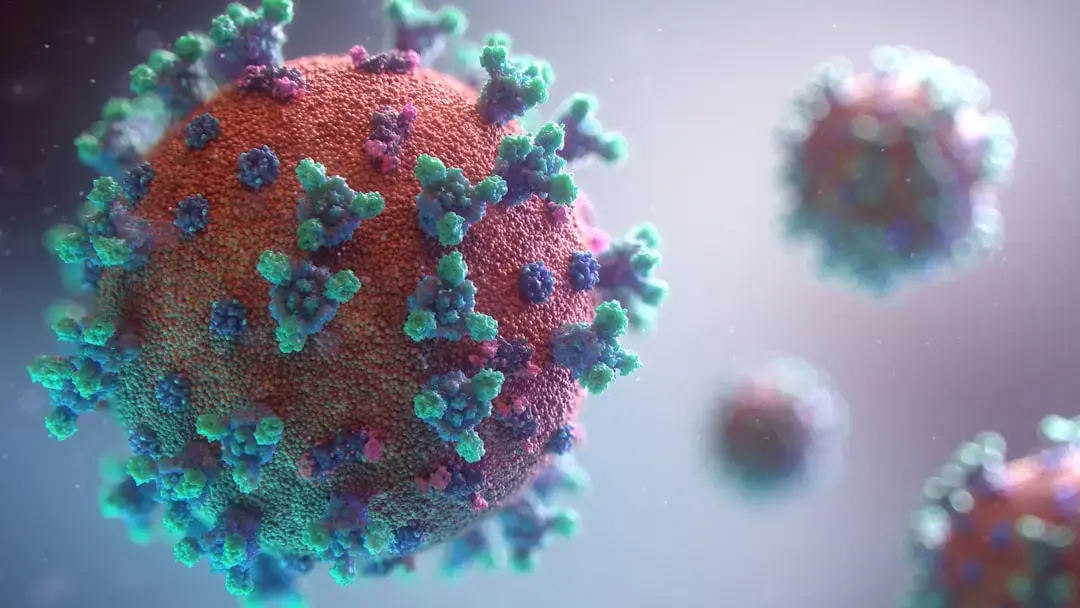
The Hidden Wounds of Health Workers
Health workers and residents of Ituri Province in the Democratic Republic of Congo are battling a resurgence of Ebola while still reeling from years of armed conflict. The outbreak, confirmed in early May, has already claimed dozens of lives and forced thousands into isolation. International teams arrived this week, but the psychological toll on those on the front lines is now drawing urgent attention.
Wellness insights
 People with psychosis who have aggressive histories misread others’ negative emotions as positive
 Fear of Economic Decline Harms Well-being More Than Hope of Advancement
 The Burden of Running a Private Therapy Practice
 Vulnerable Narcissism Strongly Tied to Emotional Struggles
Decades of militia violence have left deep scars across northeastern Congo. Communities have learned to survive bombings, displacement, and famine, only to face a silent enemy that spreads through bodily fluids. The virus exploits weakened health systems, but the real danger may be the erosion of moral conscience among responders. When clinicians must choose who receives limited treatment, many report feelings of guilt, helplessness, and betrayal of their own ethical standards. Such moral injury can fuel depression, anxiety, and even post‑traumatic stress disorder, compounding the physical crisis.
Local nurses describe a relentless cycle of fear and duty. „I sleep with the doors locked, yet I still go to the ward,” says Amina, a 32‑year‑old caregiver. She explains that the constant threat of infection clashes with the oath to treat every patient, no matter the risk. Recent surveys by the World Health Organization show that 68 % of Ebola responders in Ituri report severe stress symptoms, a figure higher than during the 2018 outbreak. Mental‑health professionals argue that without proper support, staff may abandon their posts, jeopardizing containment efforts. The government has begun offering brief counseling sessions, but limited resources and cultural stigma hinder widespread uptake.
Can Communities Heal While the Outbreak Rages?
Villagers long accustomed to displacement now confront quarantine fences that cut off markets and schools. „We are trapped between a virus and a war we cannot escape,” says community leader Jean‑Claude. The loss of income forces families to choose between food and safety, a dilemma that fuels resentment toward health authorities. Humanitarian groups are attempting to integrate trauma‑informed care into vaccination drives, hoping to restore trust. Early data suggest that villages receiving psychosocial outreach report higher vaccination acceptance rates. Yet the fragile peace remains vulnerable; any resurgence of armed clashes could undo the hard‑won progress against Ebola.
The dual crisis of disease and psychological trauma threatens to stall recovery for years. Experts warn that without coordinated mental‑health interventions, the region may see a rise in suicide, substance abuse, and long‑term disability. International donors are urged to fund both medical supplies and counseling programs, recognizing that healing the body alone will not end the epidemic. As the virus spreads, the hope for a resilient, healed community hangs in the balance.
Frequently Asked Questions
What is moral injury in the context of Ebola? Moral injury refers to the deep emotional distress health workers feel when they are forced to act against their ethical beliefs, such as denying care due to scarce resources.
How are humanitarian agencies addressing trauma in affected villages? They are pairing vaccination teams with mental‑health counselors, offering group discussions, and training local leaders to recognize signs of severe stress.
Will the outbreak end without addressing psychological wounds? Medical containment can reduce transmission, but lingering trauma may undermine compliance, leading to future flare‑ups and prolonged instability.