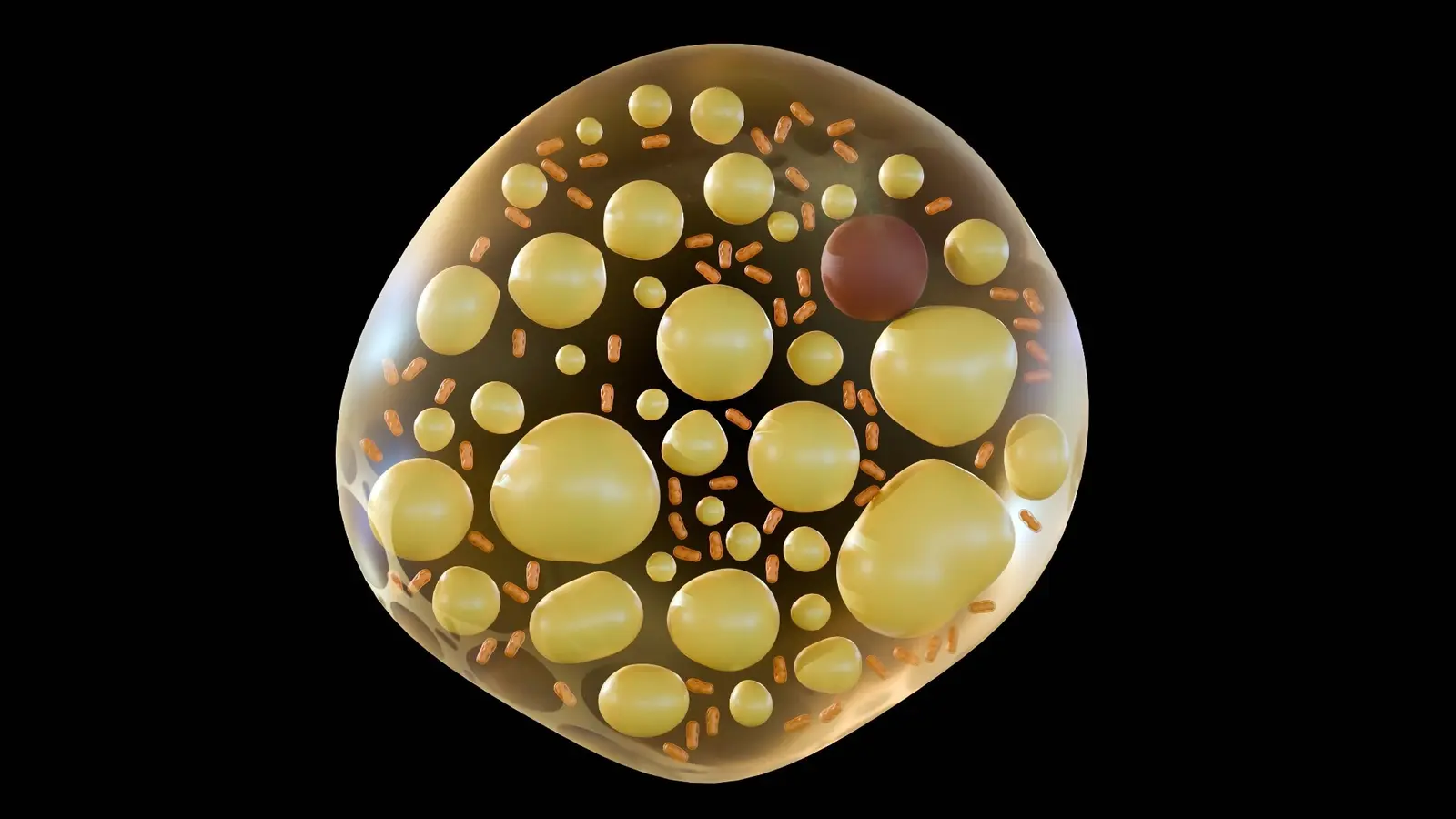
Brown Fat’s Role in Energy Metabolism and Health
A groundbreaking study published in Nature analyzed 101,243 PET-CT scans using artificial intelligence to uncover links between brown fat and health outcomes. Researchers employed machine learning to identify and quantify brown adipose tissue, a metabolically active fat type known for burning energy. The retrospective analysis revealed unexpected correlations between detectable brown fat and improved cardiovascular and mental health markers.
Wellness insights
 Brain Wiring Explains Why Trauma Victims Struggle To Find Joy
 Healing Journey: A Therapist Reflects on Processing Deep Childhood Trauma
 Forest walks boost mood through sound and biodiversity awareness
 What Counselling in Two Different Countries Taught Me: Hansel Wong on Connection, Curiosity, and Culture
The study’s methodology involved training AI algorithms on imaging data to distinguish brown fat from other tissues. Lead researchers emphasized the novelty of systematically evaluating brown fat across such a vast patient population. They also explored the role of beta-blockers, a common blood pressure medication, which appeared to influence brown fat activity. Findings suggest that patients on these drugs exhibited altered brown fat metabolism, potentially impacting heart health and cognitive function.
Brown fat, or brown adipose tissue, thermogenically generates heat by oxidizing fats and carbohydrates. Unlike white fat, which stores energy, brown fat actively combats obesity and metabolic disorders. The AI-driven analysis found patients with detectable brown fat had lower rates of cardiovascular complications and better cognitive performance. Researchers hypothesize this may stem from enhanced metabolic efficiency and reduced systemic inflammation.
Could Beta-Blockers Influence Brown Fat Activity?
„Brown fat acts as a metabolic regulator,” explained the study’s lead author. „Its presence correlates with healthier cardiovascular profiles and mental resilience, likely through improved insulin sensitivity and neuroprotective effects.” The team also noted that brown fat levels declined with age and in individuals with chronic conditions, underscoring its potential as a therapeutic target.
The research unexpectedly linked beta-blockers—medications traditionally used for hypertension—to reduced brown fat activity. These drugs, which inhibit adrenaline signaling, appeared to suppress the tissue’s thermogenic function. This raises questions about their long-term metabolic implications. „Beta-blockers might inadvertently impair brown fat’s protective effects,” the authors cautioned. „Future studies should assess whether alternative therapies could preserve this beneficial tissue.”
The findings open new avenues for exploring brown fat’s role in mental health. Prior research suggests brown fat depletion may exacerbate stress-related disorders, though mechanisms remain unclear. The study’s authors propose that enhancing brown fat activity could become a novel strategy for treating depression or anxiety.
Frequently Asked Questions
What is brown fat, and why is it important? Brown fat burns calories to produce heat, aiding weight management and metabolic health. Its presence in adults was once debated but is now recognized as beneficial for energy regulation.
How did AI improve the analysis? AI enabled precise, automated identification of brown fat across thousands of scans, a task too time-consuming for manual review. This scalability revealed patterns missed in smaller studies.
What are the next steps for this research? Scientists aim to validate findings in diverse populations and explore interventions to boost brown fat activity. Clinical trials may test lifestyle or pharmacological approaches to harness its therapeutic potential.