The Real-Time Execution Deficit
Adults with ADHD often struggle not because they lack social knowledge, but because they cannot apply that knowledge consistently in the moment. This disconnect creates significant friction in daily interactions. The core issue is not ignorance of norms, but the execution gap during live conversations. Many individuals understand what is expected of them socially. However, translating that understanding into immediate action remains difficult. This leads to frequent misunderstandings and awkward moments in professional and personal settings. The challenge persists regardless of intelligence or experience levels. It is a processing speed and consistency problem rather than a learning deficit.
Wellness insights
 Federal Health Department Refreshes National Strategy for Alzheimer’s Care
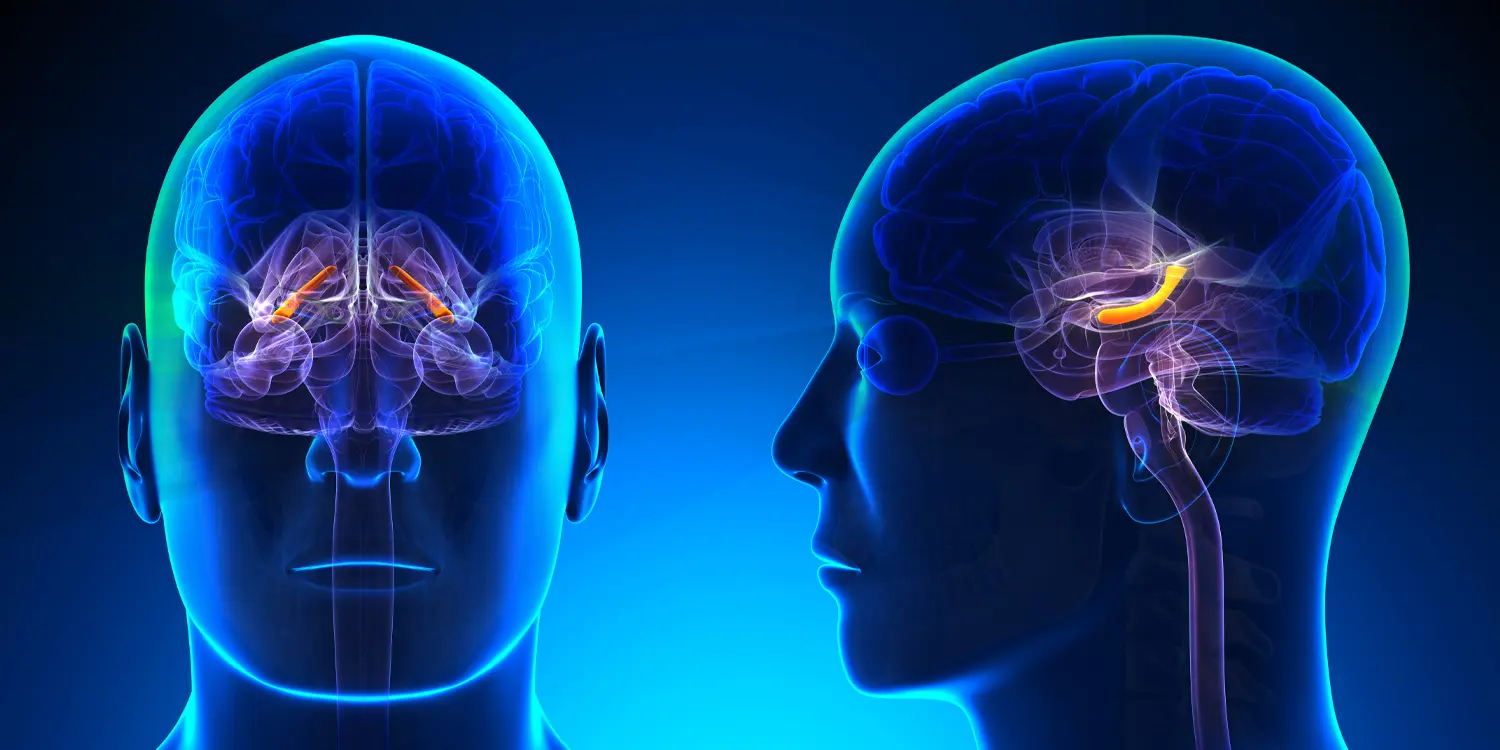 Depression Linked to Reduced Volume in Specific Hippocampal Region
 Higher Progesterone Levels Linked to Blurred Brain Signals for Emotional Control
 Three Critical Questions for Mental Health Awareness
Clinical psychologist Sharon Saline, Psy. D., highlights this specific tension. She notes that knowing social expectations differs vastly from implementing them in real time. For people with ADHD, this gap is a major hurdle. Common manifestations include oversharing personal details or interrupting others mid-sentence. Individuals may also fail to read the room correctly during group discussions. These behaviors are not intentional rudeness. They stem from a delayed internal processing loop. The brain registers the social cue, but the response mechanism lags behind. By the time the correct behavior is identified, the moment has often passed. This delay causes friction in meetings, dates, and family gatherings. The individual knows better, yet the automatic response overrides conscious intent.
Why Consistency Remains Elusive
The difficulty lies in maintaining consistent performance over time. A person with ADHD might navigate a social event perfectly one day. The next day, similar scenarios might trigger different, less effective responses. This inconsistency confuses both the individual and their peers. Friends and colleagues may perceive the behavior as moodiness or lack of effort. In reality, it is a neurological variability issue. Dopamine regulation affects how well executive functions operate on any given day. When focus is high, social skills shine. When focus wanes, the safety nets drop away. There is no single fix for this variability. Management requires constant self-monitoring and external support systems.
Frequently Asked Questions
Is this gap caused by poor social skills? No, the gap is not about lacking skills. It is about the inability to deploy those skills reliably under pressure. The knowledge exists, but the application is inconsistent.
Can therapy help close this gap? Yes, cognitive behavioral approaches can help. They provide strategies to recognize cues faster and practice consistent responses. Therapy builds the muscle memory needed for smoother interactions.