
Why Your Nose Bypasses Logic
A wellness company selling aromatherapy roll-ons has published a candid analysis of their product’s efficacy. They argue that while scent influences emotion, the science does not support the claim that specific oils cure specific ailments. This perspective challenges the marketing narratives common in the self-care industry today.
Wellness insights
 Different Brains, Calmer Days: Overcoming the Silent Overlap of Anxiety and ADHD
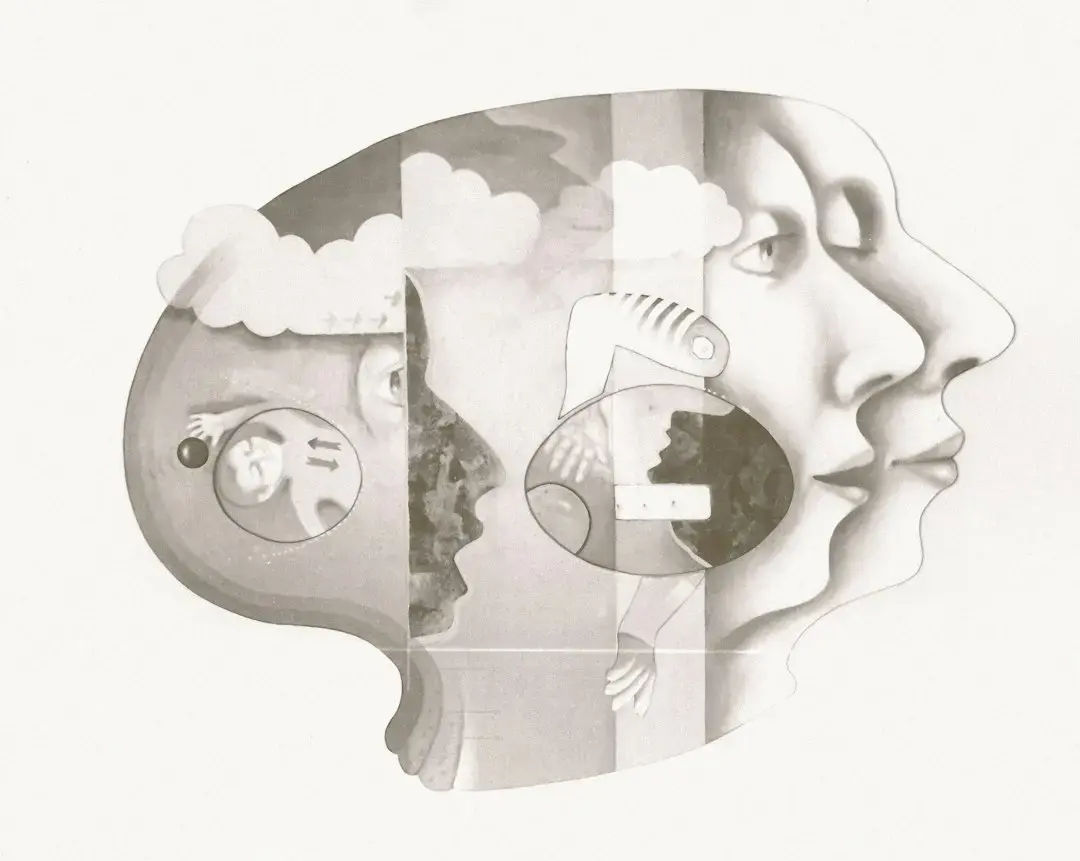 Integrated psychotherapy reduces relapse risk in schizophrenia
 Three Ways Your Brain Rewires Itself After Emotional Abuse
 Brain Activity Study Reveals Five Distinct Profiles for Depression
The business explains that they avoid promising therapeutic results because peer-reviewed research remains inconclusive. Instead of marketing magic cures, they focus on the sensory experience. This approach distinguishes them from competitors who often blur the line between fragrance and medicine.
Human olfaction is uniquely wired to the brain’s emotional centers. Unlike vision or hearing, smell signals travel directly to the limbic system. This pathway bypasses the thalamus, which usually filters other sensory inputs. Consequently, scents can trigger immediate emotional responses without conscious thought.
Does the Science Actually Back the Hype?
This biological shortcut explains why certain smells evoke powerful memories. A specific perfume might instantly recall a childhood summer. However, this neural connection does not guarantee that inhaling lavender will reliably reduce stress for every individual. The response is highly subjective and varies based on personal history.
Researchers have studied aromatherapy for decades, but results are mixed. Some studies show mild improvements in anxiety levels when participants use essential oils. Other trials find no significant difference compared to placebo groups. The primary issue lies in study design and sample sizes.
Many positive findings come from small-scale experiments that lack rigorous controls. Furthermore, the placebo effect plays a massive role in perceived benefits. If a user believes an oil will help, they may feel better simply due to expectation. The company acknowledges this uncertainty rather than ignoring it.
Frequently Asked Questions
They note that scent can serve as a ritual cue for relaxation. The act of applying a roll-on can signal to the brain that it is time to unwind. This behavioral anchor is valuable, even if the chemical composition of the oil is not a potent drug. The value lies in the habit, not necessarily the molecule.
Do essential oils replace medication? No, aromatherapy is generally considered a complementary practice. It should not replace prescribed treatments for mental health conditions. It works best as part of a broader wellness routine.
Is the placebo effect the only reason it works? While the placebo effect contributes significantly, scent also triggers genuine physiological responses. These include changes in heart rate and breathing patterns. Both psychological and physical factors play a role in the outcome.