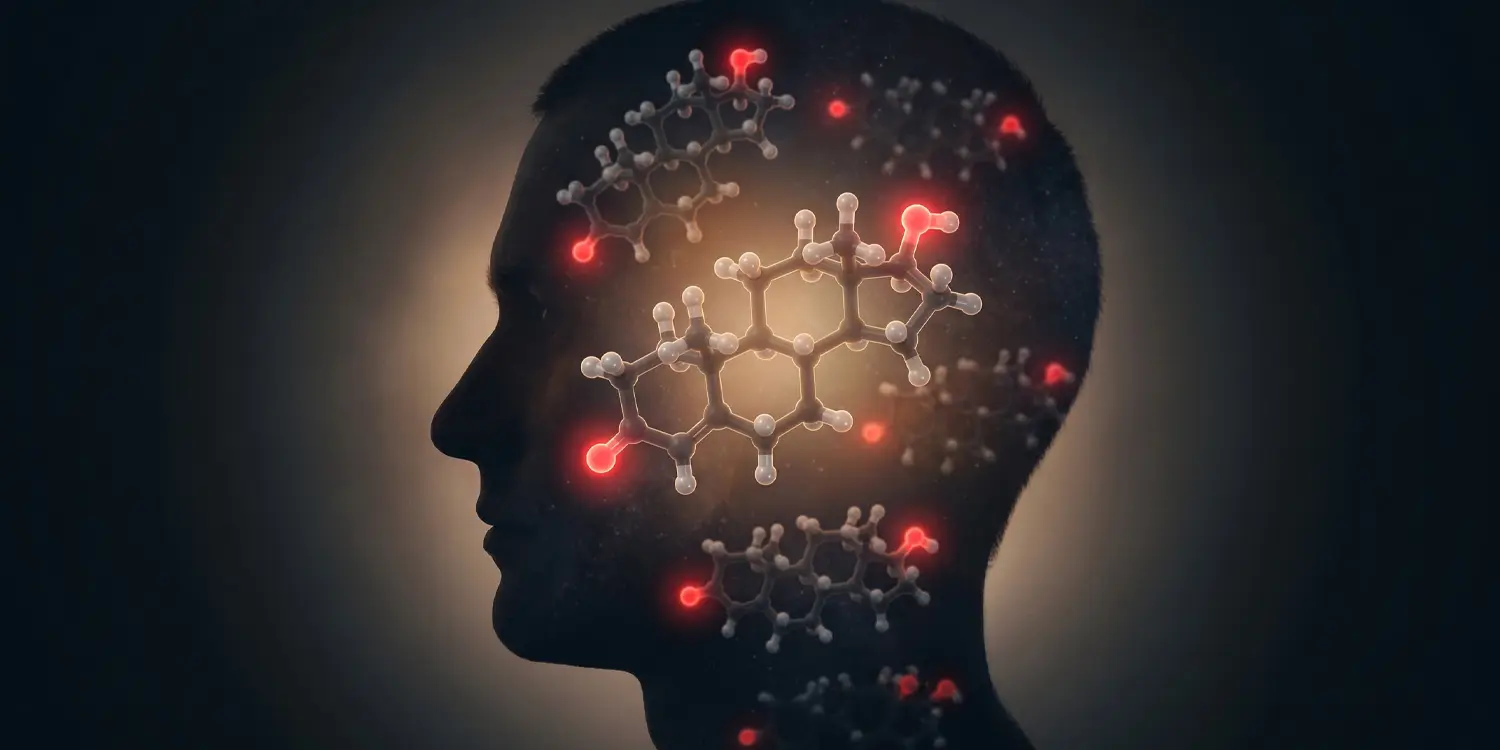
In men, the hormone might support mood regulation and resilience, while in women
A study published in a psychiatric journal found that testosterone levels affect suicide risk differently in older men and women experiencing severe depression. Researchers analyzed hormone levels and mental health data from adults over 60, identifying a clear gender-based pattern in how the hormone influences suicidal thoughts and behaviors during depressive episodes. Higher testosterone was associated with reduced suicide risk in older men, suggesting a protective effect against suicidal ideation and actions. In contrast, elevated testosterone levels in older women correlated with increased suicide risk, indicating the hormone may exacerbate vulnerability in this group. The study highlights the complex role of sex hormones in mental health, particularly in late-life depression. Why testosterone affects men and women differently Researchers suggest that biological differences in how testosterone interacts with brain chemistry and stress responses may explain the contrasting outcomes.
Wellness insights
 Mental Fitness Trends: When Mindfulness Becomes Performance Training
 The Case for Rest: Reclaiming Balance in an Exhausted World
 Psychological Capital Boosts Dyadic Coping in Lung Cancer Couples, Study Finds
 Growth mindset helps teens stick with exercise, new study finds
In men, the hormone might support mood regulation and resilience, while in women, it could amplify emotional dysregulation or agitation during depression. These effects may be influenced by age-related hormonal shifts and individual sensitivity to neurochemical changes. What does this mean for depression treatment in older adults? The findings imply that hormone levels should be considered when assessing suicide risk in older patients with depression. Clinicians may need to evaluate testosterone alongside standard mental health screenings, particularly for women showing signs of hormonal imbalance. Personalized approaches that account for biological sex could improve prevention strategies. Frequently Asked Questions Does higher testosterone always reduce suicide risk in men? Not necessarily. The study found a protective association in older men with severe depression, but individual factors like overall health, social support, and other hormones also play significant roles in suicide risk. Should older women be tested for testosterone if they are depressed?
Testing is not routinely recommended based on this study alone, but clinicians may consider hormone evaluation in cases of treatment-resistant depression or when other risk factors are present, especially if symptoms include agitation or impulsivity. Can testosterone therapy affect suicide risk in older adults? The study did not examine testosterone therapy, so its impact on suicide risk remains unknown. Any hormonal treatment should be carefully managed by a healthcare provider, weighing potential benefits against risks in the context of mental health.