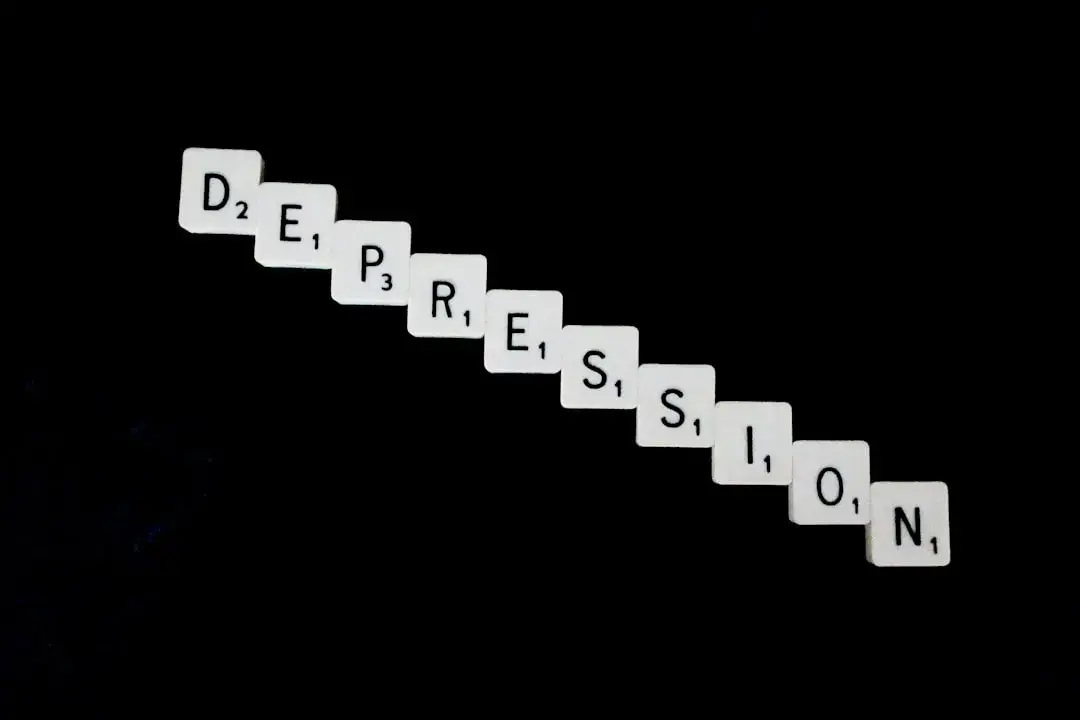
Tailoring Treatment to the Individual
Researchers have made a groundbreaking discovery in treating mild-to-moderate depression. A recent study found that a personalized coaching program, guided by machine learning, can nearly double remission rates. The research involved tracking individual behavioral factors to predict low mood states.
Wellness insights
 Brain Wiring Explains Why Trauma Victims Struggle To Find Joy
 Healing Journey: A Therapist Reflects on Processing Deep Childhood Trauma
 Forest walks boost mood through sound and biodiversity awareness
 What Counselling in Two Different Countries Taught Me: Hansel Wong on Connection, Curiosity, and Culture
The study used consumer smartwatches and real-time data logs to monitor participants' daily activities, sleep patterns, and other lifestyle factors. By analyzing this data, the machine learning algorithm identified unique predictors of depression for each individual.
The coaching program provided personalized recommendations to participants based on their specific needs. For example, if a person's data showed that they tended to feel down after spending too much time indoors, the program would suggest increasing outdoor activities. This tailored approach allowed participants to make targeted changes to their lifestyle.
Can Technology Replace Traditional Therapy?
The study's results were striking, with nearly double the number of participants achieving remission compared to those receiving standard treatment. The researchers believe that this approach has the potential to revolutionize depression treatment by providing a more effective and sustainable solution.
While the study's findings are promising, it's unlikely that machine learning will replace traditional therapy entirely. Instead, the researchers envision a complementary approach, where technology enhances the work of mental health professionals. By providing more accurate and personalized insights, machine learning can help therapists tailor their treatment plans to individual needs.
The consequences of this breakthrough are significant, with potential improvements in treatment outcomes and quality of life for millions of people worldwide. As researchers continue to refine this approach, we can expect to see more effective and targeted interventions for depression.
Frequently Asked Questions
Q: How does the machine learning algorithm work? A: The algorithm analyzes data from smartwatches and real-time logs to identify individual predictors of depression. It then uses this information to provide personalized coaching recommendations.
Q: Is this approach suitable for severe depression? A: The study focused on mild-to-moderate depression. Further research is needed to determine its effectiveness for more severe cases.
Q: Will this technology be widely available? A: The researchers are working to make this technology more accessible, but its widespread adoption will depend on further development and integration into existing healthcare systems.