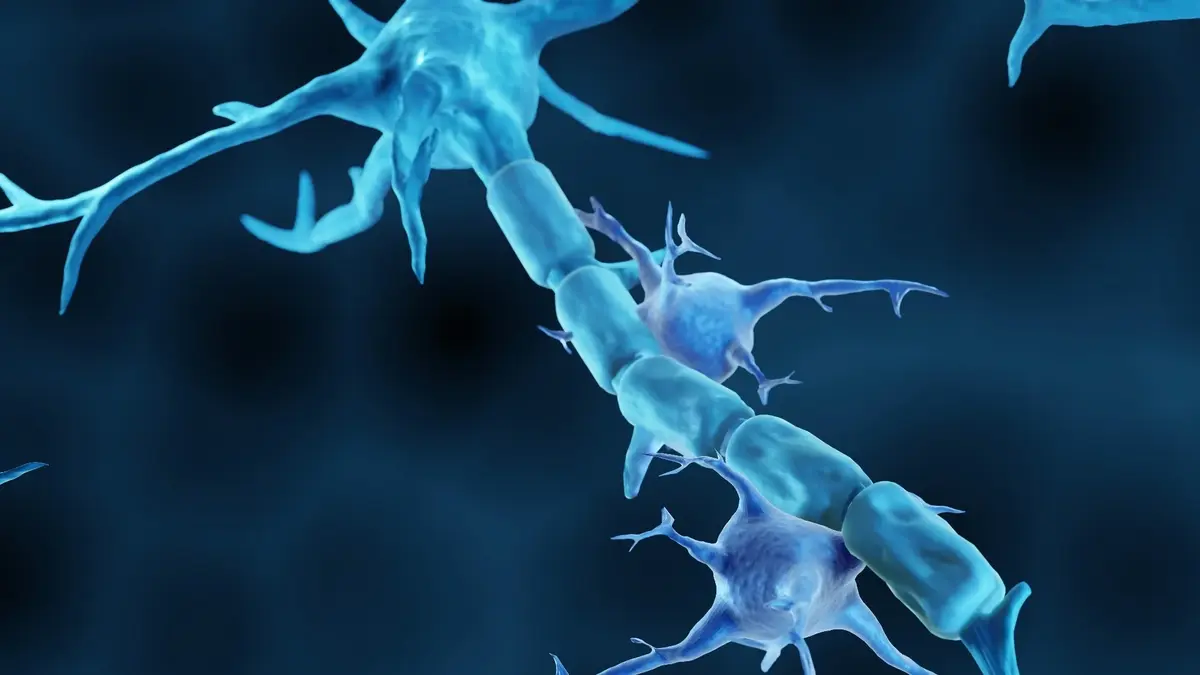
Uncovering the Role of KAT7 in Alzheimer's
Researchers have identified a new epigenetic pathway that may explain why brain inflammation persists in Alzheimer's disease. The study was conducted by a team of scientists who investigated the role of microglia in sustaining inflammation. Microglia are immune cells in the brain that become overactive in Alzheimer's.
Wellness insights
 Redefining Money: One Simple Shift That Breaks the Hustle Cycle
 Protein-Folding Mechanism Uncovered in Diabetes Research
 Cancer Patients Stay Mentally Sharp During Chemotherapy
 GLP‑1 Advances Unveiled at ADA Conference Amid Police Intervention
The team found that KAT7, an enzyme, promotes the release of mitochondrial DNA from microglia, triggering an inflammatory response. This process is driven by CMPK2, a protein that works with KAT7. The study provides new insights into the mechanisms underlying Alzheimer's disease.
Can Targeting KAT7 Halt Alzheimer's Progression?
The researchers discovered that KAT7 plays a crucial role in controlling the immune response of microglia. By promoting the release of mitochondrial DNA, KAT7 activates an inflammatory pathway that contributes to the progression of Alzheimer's. This finding suggests that KAT7 may be a potential target for future therapies.
The study's results have significant implications for our understanding of Alzheimer's disease. By identifying the epigenetic pathway involved in sustaining brain inflammation, the researchers have opened up new avenues for research into potential treatments.
The discovery of KAT7's role in Alzheimer's disease raises the possibility that targeting this enzyme could help to reduce inflammation and slow disease progression. Further research is needed to explore this potential therapeutic strategy.
Frequently Asked Questions
The identification of KAT7 as a key player in Alzheimer's disease highlights the complexity of the condition and the need for continued research into its underlying mechanisms. As scientists continue to uncover the intricacies of Alzheimer's, new potential targets for treatment are likely to emerge.
What is KAT7's role in Alzheimer's disease? KAT7 promotes the release of mitochondrial DNA from microglia, triggering an inflammatory response. This contributes to the progression of Alzheimer's. How does KAT7 contribute to brain inflammation? KAT7 works with CMPK2 to drive the release of mitochondrial DNA, activating an inflammatory pathway. Can targeting KAT7 help to treat Alzheimer's? Further research is needed to explore the potential of targeting KAT7 as a therapeutic strategy for Alzheimer's disease.