
Understanding the Roots of Nighttime Anxiety
Many people experience anxiety as night approaches. This common feeling often disrupts sleep and peace of mind. However, experts suggest a new approach. They propose viewing these late-night fears as opportunities for personal growth and calm.
Wellness insights
 Three Questions That Predict Happiness More Than Money Or Success
 Happiness Scientists Reveal How Research Changed Their Own Lives
 Physical Activity Offers Potential ADHD Symptom Management
 New Scientific Framework Links Empathy and Flexibility to Better Decision Making
Humans naturally seek comfort and routine. We tend to stick to familiar patterns. Anything outside these established norms often feels threatening. This ingrained behavior can trigger anxiety when faced with uncertainty, especially at night. The quiet hours can amplify worries, making them seem larger than they are.
How Can We Reframe Our Fears?
The key lies in changing our perspective. Instead of battling anxiety, we can embrace it. Think of fear not as an enemy, but as a signal. It points to areas in our lives that need attention. This shift in mindset turns a negative experience into a constructive one.
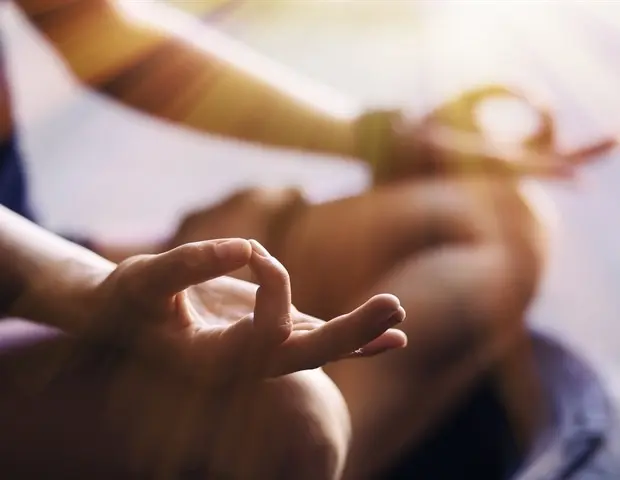
Mindfulness practices are particularly effective. Simple breathing exercises can ground you. Focusing on the present moment reduces the power of future worries. Journaling can also help. Writing down fears allows you to process them. This externalization often lessens their intensity.
What is the Long-Term Benefit of This Approach?
Regularly practicing these techniques builds resilience. It teaches the mind to respond differently to stress. Over time, late-night anxiety can diminish. It can be replaced by a sense of quiet mindfulness. This leads to better sleep and overall well-being.
What is the main idea behind treating fears as pivot points? The core concept is to see fears not as problems, but as indicators. They highlight areas needing personal growth or attention. This reframing turns anxiety into a catalyst for positive change.
Frequently Asked Questions
How can mindfulness help with late-night anxiety? Mindfulness helps by focusing attention on the present. This reduces rumination on past events or future worries. Techniques like controlled breathing can calm the nervous system.
Is this approach suitable for everyone? This method offers a general framework for managing common anxieties. However, individuals with severe anxiety disorders should consult a healthcare professional. It can complement, but not replace, clinical treatment.