
Neural Pathways Shift Toward Safety
Neuroscientists confirm that emotional abuse leaves lasting marks on the brain, yet recovery is possible. The mind possesses a remarkable ability to adapt and heal over time. This process involves complex neurological changes that reshape how individuals perceive safety and trust. Understanding these shifts helps survivors navigate their path toward mental stability and emotional balance.
Wellness insights
 Different Brains, Calmer Days: Overcoming the Silent Overlap of Anxiety and ADHD
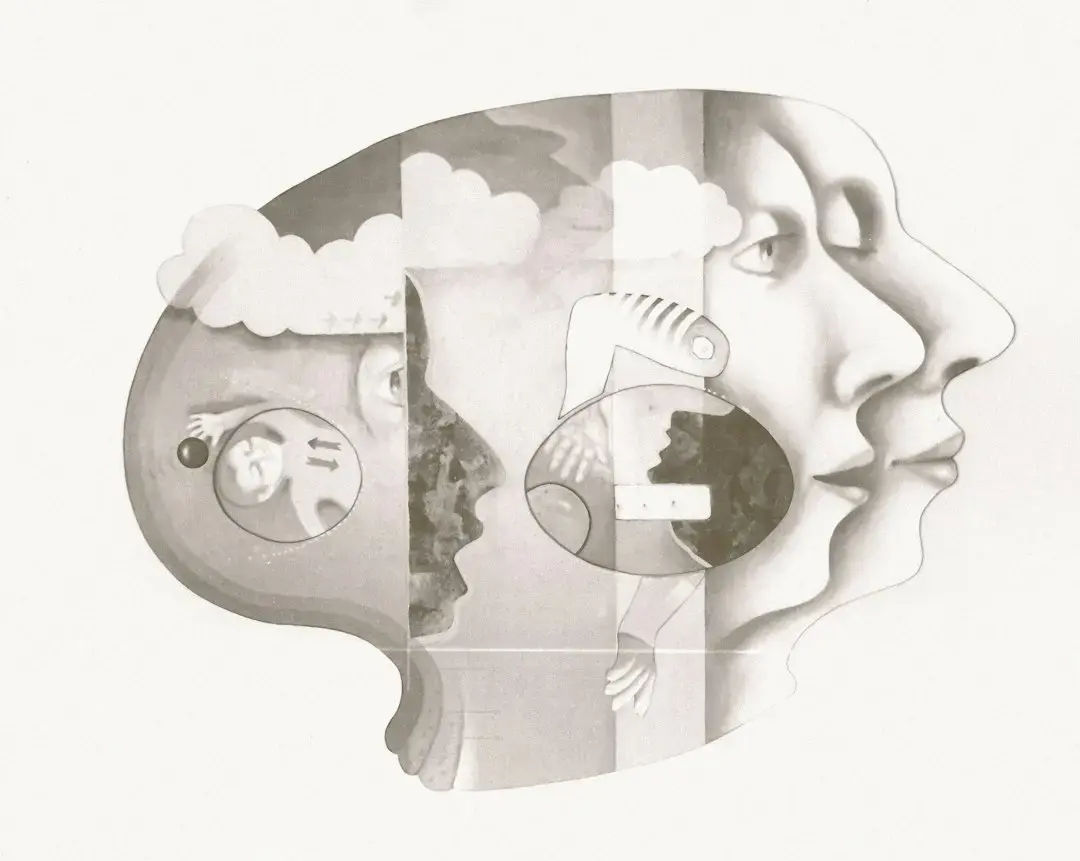 Integrated psychotherapy reduces relapse risk in schizophrenia
 The Honest Truth About Aromatherapy Roll-Ons and Mood
 Brain Activity Study Reveals Five Distinct Profiles for Depression
The brain responds to chronic stress by altering its structure and function. Prolonged exposure to criticism or neglect triggers defensive mechanisms. These changes are not permanent flaws but adaptive responses to difficult environments. The nervous system remains in a state of high alert for extended periods. This constant vigilance affects daily interactions and emotional regulation significantly.
Can You Reverse Deep-Seated Fear Responses?
The prefrontal cortex often becomes less active during abusive relationships. This area handles logic and decision-making, leading to impulsive reactions. Meanwhile, the amygdala grows more sensitive to perceived threats. It interprets neutral signals as dangerous, causing heightened anxiety. As healing begins, the brain starts to rebalance these regions. New neural connections form between logical thought and emotional processing. This rewiring allows for calmer responses to stressful situations. Survivors report feeling more grounded after months of consistent therapy. The brain literally builds new roads to bypass old fear patterns.
Yes, neuroplasticity proves that the brain changes throughout life. Repeated positive experiences strengthen new, healthier pathways. Meditation and mindfulness practices support this adaptation process. They help calm the hyperactive amygdala over time. Social support also plays a critical role in recovery. Safe relationships provide the evidence the brain needs to lower defenses. The hippocampus, responsible for memory, also benefits from reduced stress hormones. This organ helps contextualize past events, reducing their emotional charge. Recovery is gradual but measurable through behavioral changes.
How long does brain rewiring take? It varies by individual, but significant changes often appear within six months to two years. Consistency in healthy habits accelerates the process.
Frequently Asked Questions
Does emotional abuse physically damage the brain? Chronic stress alters brain volume and connectivity, particularly in areas related to emotion. These changes are functional adaptations rather than permanent structural damage.
Can medication help with the adaptation process? Medication can manage symptoms like anxiety, making it easier to engage in therapy. It supports the brain’s ability to form new, stable connections.