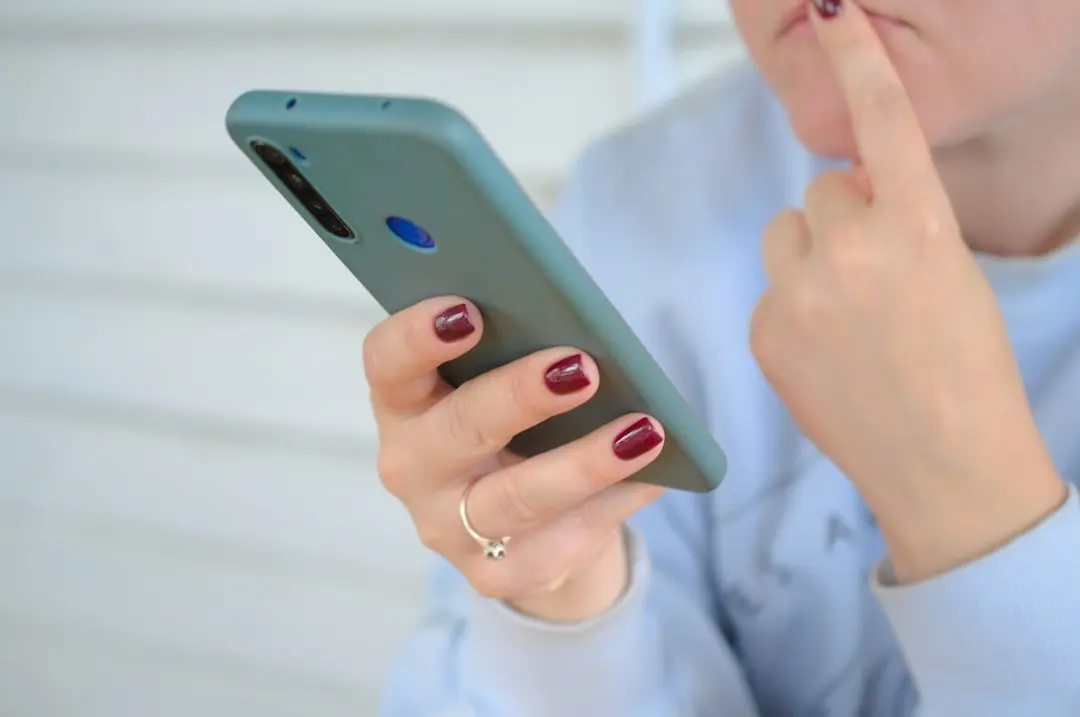
Mapping the Digital Emotional Landscape
A recent study involving 1,030 Chinese college students has uncovered a significant link between problematic smartphone use, social anxiety, and diminished self-esteem. Researchers utilized latent profile analysis to categorize student behavior, revealing how digital habits often mirror deeper psychological struggles. The findings highlight a growing mental health concern within modern academic environments.
Wellness insights
 Social support networks of older adults before, during and after the COVID-19 pandemic
 College Mental Health Crisis Shows Signs of Easing
 Why Depression Subtypes Matter: 25 Years of Clinical Lessons
 Choosing Adjunctive Therapy for Major Depressive Disorder: A Focus on Non-Negotiables
The investigation sought to map the complex network structures connecting screen dependency to emotional well-being. By surveying a large cohort, the team identified distinct patterns of smartphone engagement. These patterns suggest that excessive device use is rarely an isolated habit, but rather a symptom of underlying social discomfort and a fragile sense of self-worth.
The research team employed advanced statistical modeling to observe how various components of smartphone addiction interact with personality traits. Students who reported high levels of social anxiety were more likely to rely on their devices as a primary coping mechanism. This digital dependency often creates a feedback loop that further isolates individuals from real-world interactions.
Can Digital Habits Predict Psychological Health?
Low self-esteem emerged as a critical factor in the severity of smartphone misuse. The data suggests that students who feel insecure often turn to their phones to seek validation or distraction. This behavior inadvertently reinforces feelings of inadequacy, as the virtual world fails to provide the genuine emotional support required for psychological stability.
The study indicates that the way a person uses their smartphone can serve as a diagnostic indicator for broader mental health issues. By analyzing the network structure of these behaviors, experts can better predict which students are at risk of developing chronic social anxiety. This approach moves beyond simple screen time tracking to understand the functional role of the device.
Frequently Asked Questions
The consequences of this cycle are profound, potentially leading to long-term social withdrawal and increased academic stress. Addressing these issues requires more than just limiting screen time; it necessitates building resilience and social confidence. Future interventions should focus on fostering real-world connections to reduce the psychological need for constant digital immersion.
What is the primary link between smartphone use and anxiety? The study suggests that students with high social anxiety often use smartphones as a crutch to avoid face-to-face interactions. This avoidance behavior prevents them from developing the necessary social skills to overcome their anxiety.
Does low self-esteem cause smartphone addiction? While the relationship is complex, low self-esteem is a significant contributor to problematic usage patterns. Students often use their devices to seek external validation, which can ultimately lower their self-perception when compared to others online.