Building Resilience Inside Struggle
A fresh take on addiction recovery stresses that true strength comes from what people develop inside themselves, not merely from the ability to say „no.” Writer Michele Loyd explains that sobriety is a process of building inner resources while confronting ongoing challenges, rather than a state free of struggle.
Wellness insights
 Mindfulness Helps Young Carers Lower Daily Anxiety Levels
 Fitness Addiction Left Runner Anxious and Sleep Deprived
 Can Everyday Behaviors Like Gaming and Eating Become True Addictions?
 Managing Exam Stress: Practical Tips for Students
Loyd argues that many view recovery as a battle of sheer discipline—gritted teeth, clenched fists, and relentless self‑control. She suggests this view overlooks the deeper work of reshaping thoughts, emotions, and habits during moments of hardship. By focusing on internal growth, individuals can transform pain into purpose, turning each setback into a stepping stone toward lasting change.
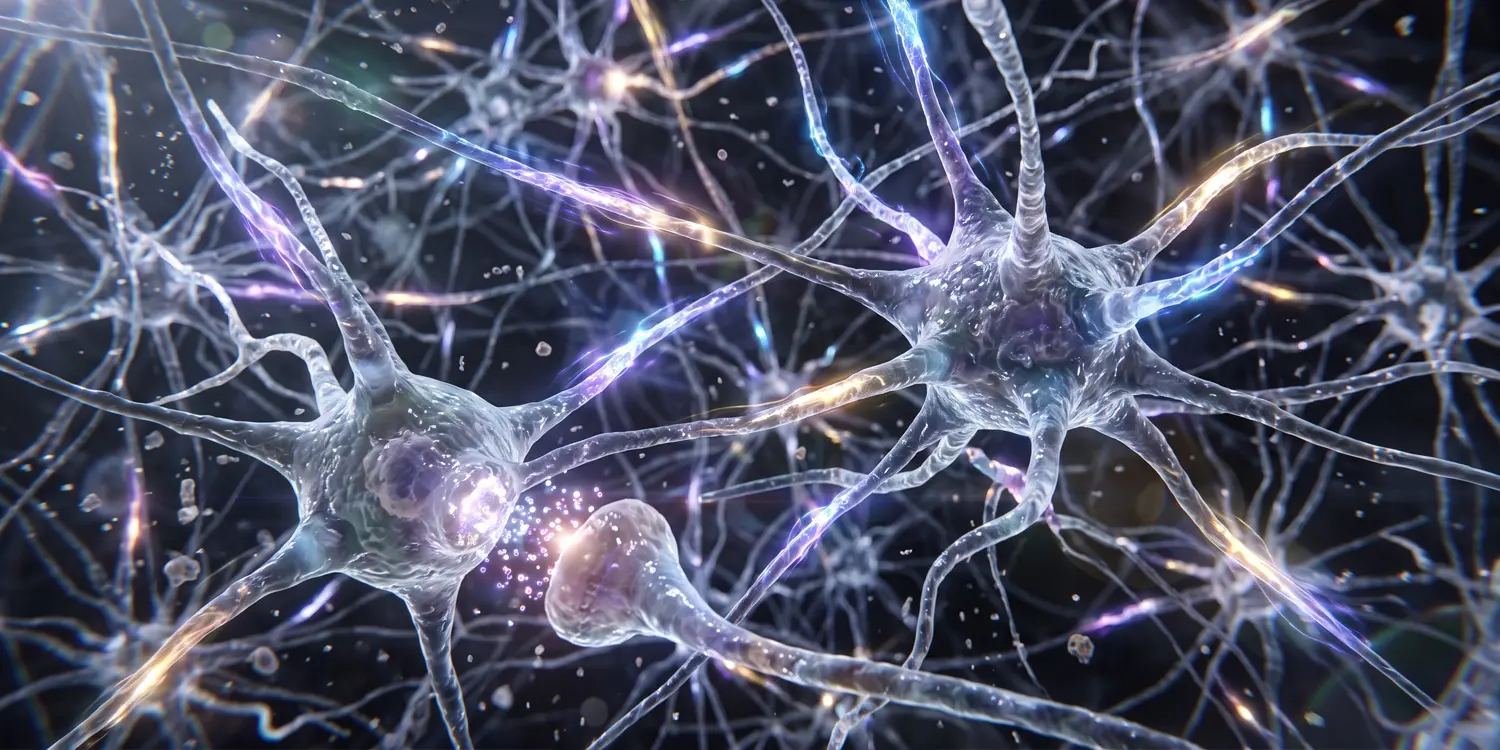
Recovery experts note that the hardest moments often spark the most significant personal development. When cravings arise, the brain learns to tolerate discomfort rather than suppress it. This tolerance creates neural pathways that reinforce coping skills. Loyd cites clients who report feeling „stronger” after navigating difficult emotions, because they have learned to sit with uncertainty instead of fleeing from it. The shift from avoidance to acceptance, she says, redefines what it means to be sober.
Can Recovery Be Measured by Inner Growth?
Research supports this approach. Studies show that mindfulness practices, which encourage observation without judgment, reduce relapse rates by up to 30 percent. Therapists observe that patients who engage in reflective journaling develop a clearer sense of identity, making it easier to resist old patterns. The process is not about eliminating struggle; it is about integrating struggle into a broader narrative of growth.
Measuring sobriety traditionally relies on external markers such as attendance at meetings or abstinence duration. Loyd questions whether these metrics capture the full picture. She proposes adding self‑assessment tools that gauge emotional regulation, self‑compassion, and purpose. „If someone can stay present with their pain, they have achieved a level of recovery that numbers alone cannot reflect,” she says.
Critics argue that subjective measures may be hard to standardize. Yet proponents claim that focusing on inner development reduces stigma, as individuals no longer feel pressured to appear flawless. By acknowledging the ongoing nature of struggle, recovery programs can foster environments where vulnerability is seen as a strength, not a weakness.
The shift toward an inner‑focused recovery model could reshape treatment landscapes. Clinics may incorporate more mindfulness, creative expression, and narrative therapy into standard care. As more people adopt this mindset, the stigma surrounding relapse may diminish, encouraging honest dialogue and sustained support.
Frequently Asked Questions
What distinguishes willpower from inner resilience in recovery? Willpower is the ability to resist immediate urges, while inner resilience involves enduring discomfort, learning from it, and emerging stronger over time.
How can someone start building inner resources while still struggling? Practicing mindfulness, journaling daily thoughts, and seeking therapy that emphasizes emotional acceptance can lay the groundwork for inner growth.
Is it realistic to expect progress without any setbacks? No. Setbacks are integral to the process; they provide opportunities to apply new coping skills and deepen self‑understanding.