Brain Activity and Relapse
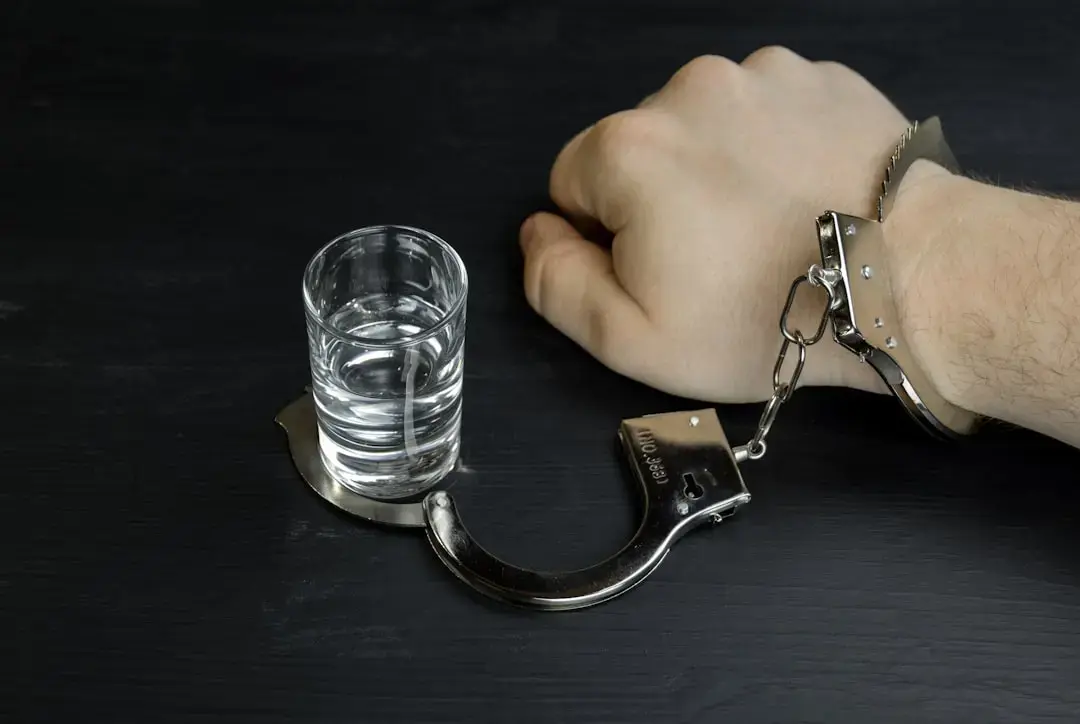
Mice quit drinking, then relapsed in a study. This happened after they stopped drinking alcohol. The study was done to see what happens in the brain.
Wellness insights
 Brain Wiring Explains Why Trauma Victims Struggle To Find Joy
 Healing Journey: A Therapist Reflects on Processing Deep Childhood Trauma
 Forest walks boost mood through sound and biodiversity awareness
 What Counselling in Two Different Countries Taught Me: Hansel Wong on Connection, Curiosity, and Culture
The mice that developed compulsive drinking after quitting showed high brain activity. This activity was in a region linked to stress and addiction. It appeared before they drank again, researchers found. This suggests that quitting may prepare the brain for relapse.
The brain region associated with stress and addiction is key. It showed more than double the activity in mice that relapsed. This activity may be a signal that the brain is ready to relapse. Researchers think this could be a clue to why people struggle to stay sober.
Can We Predict Relapse?
Researchers want to know if they can predict relapse. They think that if they can identify the signals in the brain, they can help people stay sober. But more research is needed to understand the link between brain activity and relapse. If they can crack the code, they may be able to develop new treatments.
The consequences of relapse can be severe. It can lead to health problems, relationship issues, and even death. But if researchers can understand what happens in the brain when people quit drinking, they may be able to develop new ways to help people stay sober.
Frequently Asked Questions
What happens in the brain when people quit drinking? When people quit drinking, their brain activity changes. This change can lead to relapse, but researchers are not sure why.
How can brain activity predict relapse? Brain activity can predict relapse because it shows when the brain is ready to relapse. But more research is needed to understand the link.
Can researchers develop new treatments to help people stay sober? Yes, researchers hope to develop new treatments.