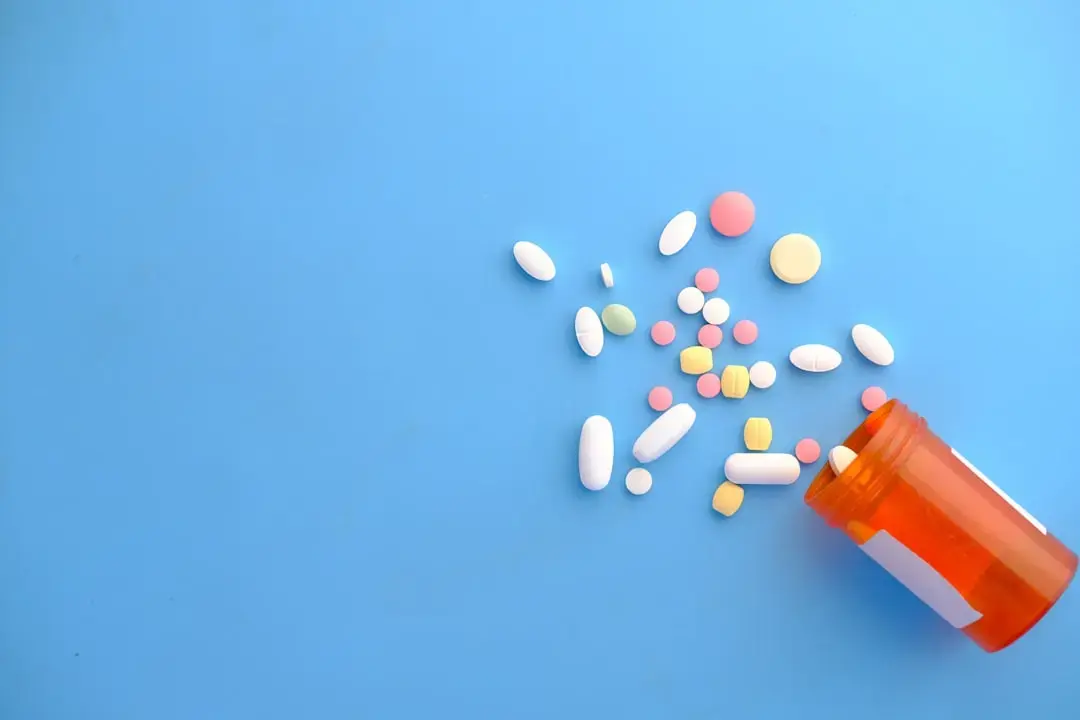
The Mechanics Behind an Open‑Label Placebo
Researchers tested an open‑label placebo on adults over 65 in a six‑week trial run earlier this year. Participants took a daily pill they were told contained no active drug, yet their cognitive scores and self‑reported stress improved noticeably.
Wellness insights
 Brain Wiring Explains Why Trauma Victims Struggle To Find Joy
 Healing Journey: A Therapist Reflects on Processing Deep Childhood Trauma
 Forest walks boost mood through sound and biodiversity awareness
 What Counselling in Two Different Countries Taught Me: Hansel Wong on Connection, Curiosity, and Culture
The experiment recruited 120 seniors from community centers across the United States. Volunteers received identical white tablets, each labeled „inactive,” and were instructed to swallow one each morning. Cognitive performance was measured with standard memory tests, while stress levels were assessed using a validated questionnaire before and after the trial. Despite knowing the pills were inert, participants showed a 20 % rise in memory recall and a marked drop in perceived stress, suggesting that belief alone can trigger measurable brain benefits.
Scientists explained that the placebo effect does not require deception. When participants expect a positive outcome, the brain releases neurotransmitters such as dopamine and endorphins, which can enhance attention and mood. In this study, the clear labeling of the tablets eliminated ethical concerns while preserving the participants’ expectation of benefit. Researchers noted that the memory gains were most pronounced in tasks involving short‑term recall, and stress reductions aligned with lower cortisol levels reported in saliva samples. „Even without pharmacological action, the ritual of taking a pill can activate neural pathways linked to cognition,” said the lead investigator.
Can Knowing a Pill Is Fake Still Help?
The findings raise the question of whether open‑label placebos could become a low‑risk tool for age‑related cognitive decline. Critics argue that the effect may be limited to short‑term improvements and that long‑term benefits remain unproven. However, the study’s authors point out that the intervention is inexpensive, free of side effects, and easily scalable. If further research confirms durability, clinicians might incorporate placebo tablets into broader wellness programs for older adults, complementing diet, exercise, and mental training.
The trial’s results hint at a new avenue for supporting brain health without medication. While the placebo effect alone is unlikely to replace conventional treatments, it could serve as an adjunctive strategy to boost confidence and reduce anxiety in seniors. Future investigations will explore optimal dosing schedules, the role of caregiver expectations, and whether similar benefits appear in populations with mild cognitive impairment.
Frequently Asked Questions
What exactly is an open‑label placebo? It is a pill that contains no active ingredient, and participants are told it is inert. The expectation of benefit, not the drug itself, drives any observed effects.
Did the study measure any physical health changes? Only cognitive performance and self‑reported stress were tracked. No significant changes in blood pressure, heart rate, or other physiological markers were reported.
Could this approach replace prescription medications for seniors? Experts caution that placebos are not a substitute for proven therapies. They may serve as a supplemental tool, especially when used alongside lifestyle interventions.