
Mixed‑Species Peonies Outperform Traditional Layouts
Researchers at a Chinese university conducted a small‑scale experiment in early 2026 to see how different peony garden designs affect stress recovery. Forty volunteers visited three garden plots—traditional Chinese, modern minimalist, and mixed‑species—each for ten minutes while their heart rate variability and self‑reported tension were recorded.
Wellness insights
 Brain Wiring Explains Why Trauma Victims Struggle To Find Joy
 Healing Journey: A Therapist Reflects on Processing Deep Childhood Trauma
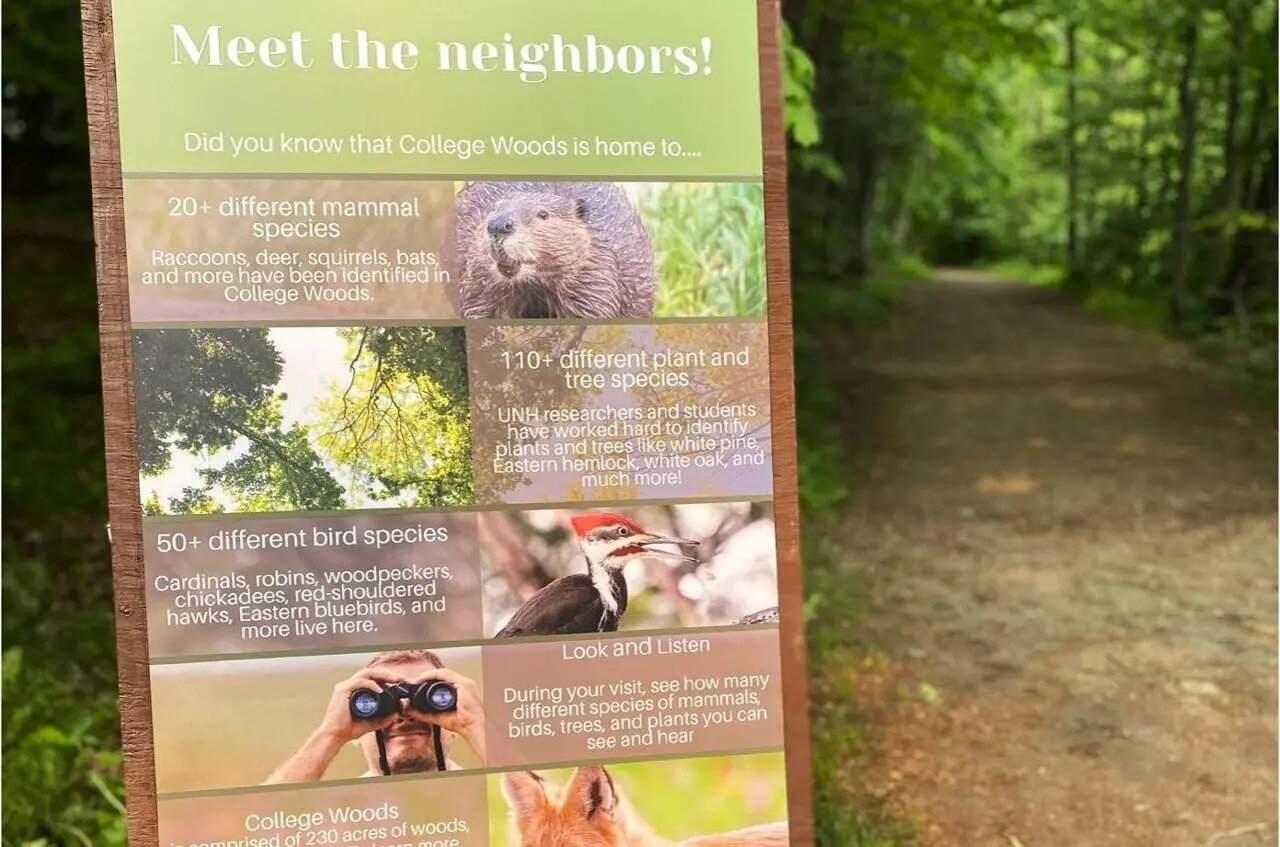 Forest walks boost mood through sound and biodiversity awareness
 What Counselling in Two Different Countries Taught Me: Hansel Wong on Connection, Curiosity, and Culture
The team measured physiological and psychological responses before and after each visit, comparing the restorative power of visual exposure to varied peony arrangements. Results showed that all three settings lowered stress markers, but the mixed‑species garden produced the strongest drop in cortisol levels and the highest scores for perceived calm. The findings add to a growing body of evidence that urban green spaces can serve as low‑cost, accessible mental‑health interventions.
In the mixed‑species plot, researchers planted a blend of pastel and deep‑colored peonies alongside complementary foliage. Participants reported a 32 % reduction in self‑rated anxiety, and their heart‑rate variability increased by 15 % compared with baseline. Lead author Dr. Li Wei noted, „The diversity of colors and textures seems to engage the visual system more fully, prompting a deeper relaxation response.” By contrast, the traditional Chinese garden, while still beneficial, yielded a modest 18 % anxiety drop and a smaller physiological shift.
Can Simple Garden Visits Replace More Intensive Therapies?
The study raises the question of whether brief exposure to well‑designed garden spaces could supplement or even substitute conventional stress‑management techniques. Although the sample size was limited, the consistent pattern across physiological and subjective measures suggests that even short, regular walks through a peony garden might bolster resilience against daily pressures. The authors caution that larger trials are needed, but they envision city planners integrating such gardens into public parks, schools, and workplaces to promote mental well‑being.
If further research confirms these early results, municipalities could adopt peony‑rich green corridors as a cost‑effective strategy to combat rising stress levels in urban populations. The study underscores the potential of horticultural design to serve as a public‑health tool, encouraging policymakers to prioritize biodiversity and aesthetic variety in city landscaping projects.
Frequently Asked Questions
What was the duration of each garden visit? Participants spent ten minutes in each garden, a period long enough to capture measurable changes in stress indicators without causing fatigue.
Did the study account for participants’ prior familiarity with peonies? Researchers screened volunteers for neutral or positive attitudes toward flowers but did not require prior gardening experience, aiming to reflect typical urban dwellers.
Are the results applicable to other types of plants? While this experiment focused on peonies, the authors suggest that plant diversity and visual appeal are key factors that could translate to other floral displays, pending further investigation.