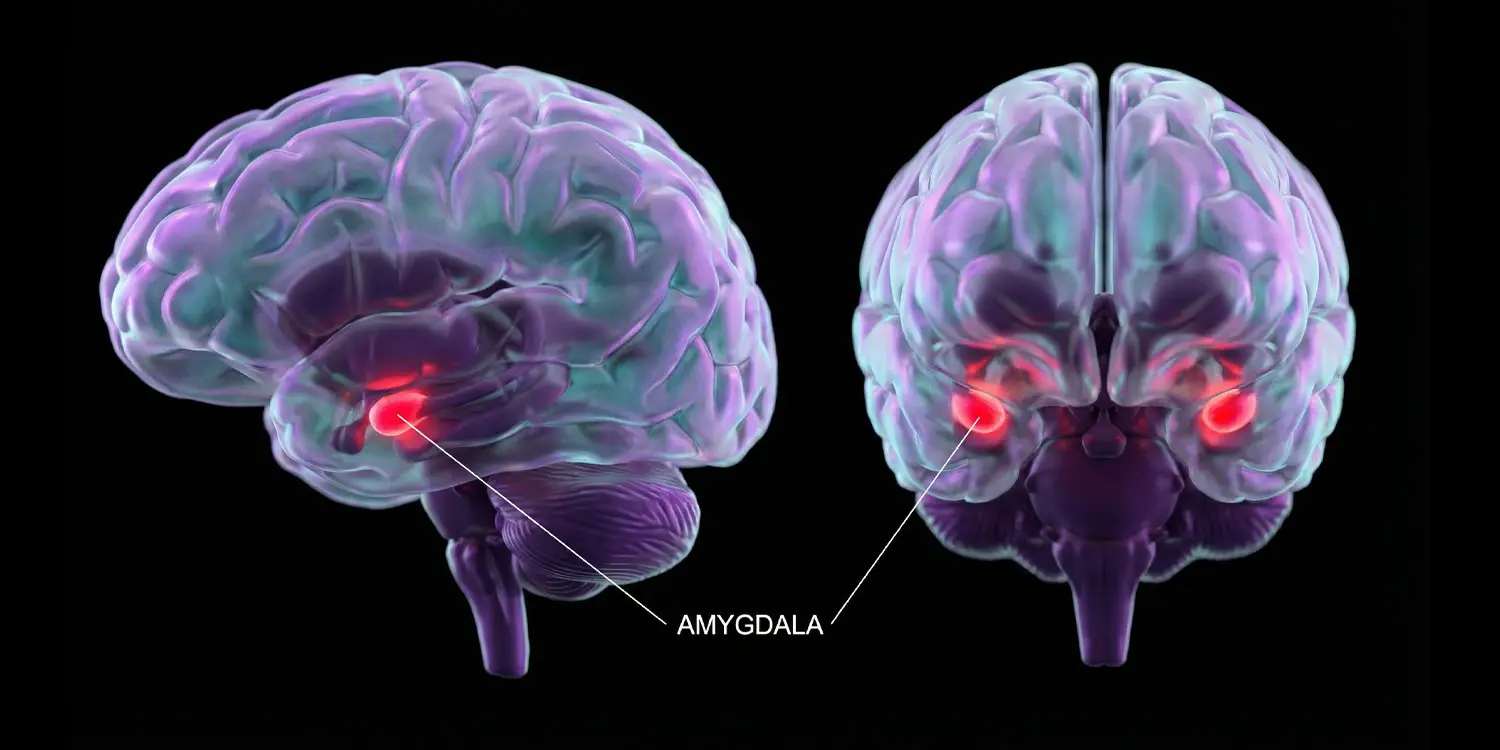
The Surgical Experiment and Its Unexpected Benefits
A single patient with drug‑resistant epilepsy and severe post‑traumatic stress disorder underwent awake brain surgery in which a portion of his right amygdala was temporarily disabled. The procedure, reported in Nature Communications , produced a marked reduction in his tendency to read ambiguous faces as fearful and led to a sharp decline in his trauma symptoms.
Wellness insights
 Social support networks of older adults before, during and after the COVID-19 pandemic
 College Mental Health Crisis Shows Signs of Easing
 Why Depression Subtypes Matter: 25 Years of Clinical Lessons
 Choosing Adjunctive Therapy for Major Depressive Disorder: A Focus on Non-Negotiables
During the operation, clinicians monitored the patient’s brain activity in real time, focusing on the amygdala’s response to emotional stimuli. After the targeted inactivation, the patient’s neural patterns shifted toward a more neutral interpretation of facial expressions, and within weeks his reported PTSD scores fell dramatically. The study suggests that the right amygdala plays a causal role in the hypervigilance that characterizes PTSD.
How Does Amygdala Inactivation Alter Fear Perception?
The patient, a 32‑year‑old man, had long struggled with seizures that did not respond to medication. He also suffered from intense flashbacks, nightmares, and an overactive fear response. Surgeons elected to perform an awake craniotomy to map and preserve essential brain functions while removing epileptogenic tissue. During the procedure, a small section of the right amygdala was selectively deactivated using a reversible technique. Researchers then presented the patient with a series of facial photographs, some ambiguous and some clearly fearful. The patient’s judgments shifted toward neutrality, indicating that the amygdala’s influence on threat perception had been diminished.
Following surgery, the patient reported fewer intrusive memories and a noticeable improvement in daily functioning. Standard PTSD scales showed a 40‑percent reduction in symptom severity over the next three months. The researchers interpret these findings as evidence that the right amygdala contributes directly to the exaggerated fear responses seen in PTSD.
Could This Lead to New Treatments for PTSD?
The amygdala is known to process emotional salience, especially fear. By temporarily silencing part of this structure, the brain’s ability to amplify threat signals appears to be curtailed. The study’s neuroimaging data revealed decreased connectivity between the amygdala and the prefrontal cortex, a network that normally regulates emotional responses. This disconnection likely reduced the patient’s automatic fear bias when interpreting ambiguous faces. The researchers argue that this mechanism could explain why many PTSD sufferers misinterpret neutral cues as hostile.
The case also highlights the potential for neurosurgical interventions in psychiatric conditions. While the approach is invasive, it offers a proof‑of‑concept that targeted brain modulation can yield rapid and lasting symptom relief. The authors caution that larger clinical trials are needed to confirm safety and efficacy across diverse populations.
Frequently Asked Questions
What does this mean for patients who cannot tolerate medication or therapy? The study opens a door to exploring less invasive neuromodulation techniques, such as deep brain stimulation or transcranial magnetic stimulation, aimed at the amygdala or its networks. If future research replicates these results, clinicians might develop protocols that selectively dampen hyperactive fear circuits without removing brain tissue. Additionally, the findings could inform pharmacological strategies that target the same neural pathways, offering a complementary approach to existing treatments.
The implications extend beyond PTSD. Understanding how the amygdala shapes threat perception could benefit other anxiety disorders, such as generalized anxiety or social phobia, where misinterpretation of cues plays a central role. As research progresses, the right amygdala may become a focal point for precision medicine in mental health.