Psychological Impact of Ongoing Conflict Fears
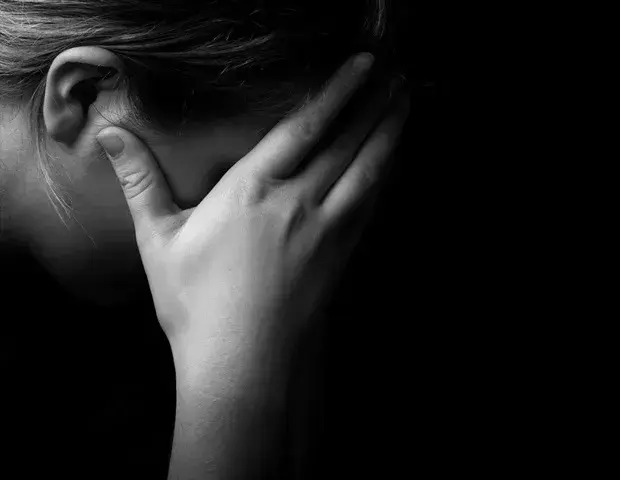
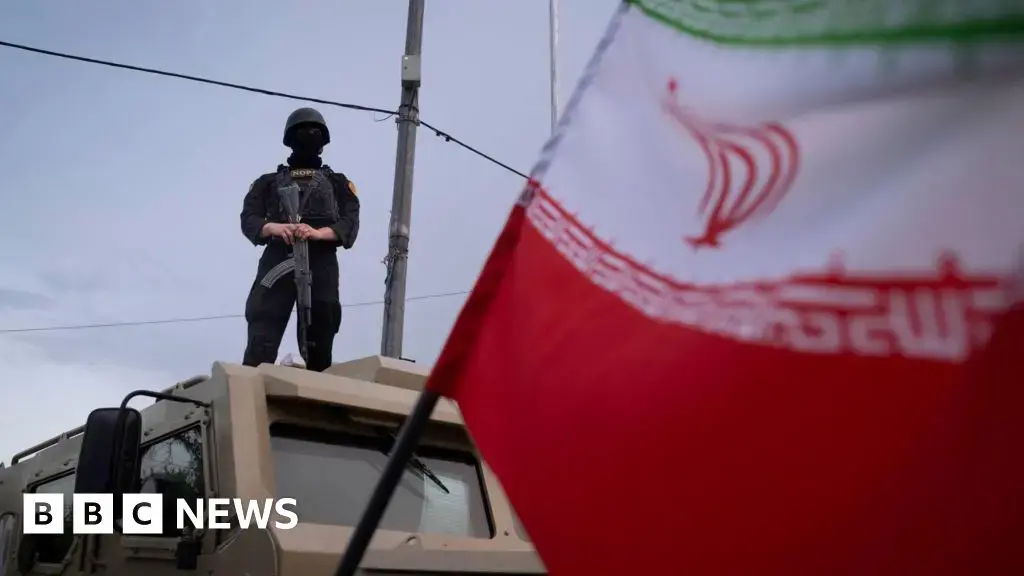
An Iranian activist from Tehran has opened up about the overwhelming psychological strain she experiences amid fears of renewed conflict. The dissident, who remains unnamed for her safety, shared her struggles with the BBC, highlighting the compounded trauma stemming from both government repression and the looming threat of war.
Wellness insights
 Different Brains, Calmer Days: Overcoming the Silent Overlap of Anxiety and ADHD
 Integrated psychotherapy reduces relapse risk in schizophrenia
 The Honest Truth About Aromatherapy Roll-Ons and Mood
 Three Ways Your Brain Rewires Itself After Emotional Abuse
The activist described a sense of helplessness that permeates her daily life. She expressed that the constant anxiety about potential military escalation exacerbates the already heavy psychological burden of living under a repressive regime. The fear of war not only heightens her stress levels but also intensifies her feelings of isolation and despair.
The activist's situation reflects a broader atmosphere of fear in Iran, where citizens grapple with the dual pressures of government oppression and the specter of international conflict. She noted that the repressive actions of the Iranian government, including arrests and censorship, have left many feeling vulnerable and trapped. The uncertainty surrounding regional tensions adds another layer of anxiety, as the possibility of war looms over the populace.
How Does Fear of War Shape Daily Life in Iran?
In her account, she emphasized that the psychological scars from years of repression are deepened by the thought of warfare. „It's like living in a constant state of alert,”she remarked. „Every day feels heavier, knowing that our lives could change dramatically at any moment.”The activist's words resonate with many Iranians who live in fear of both their government and external threats.
For many, the fear of conflict shapes not just their mental health but also their daily routines. The activist shared how conversations among friends and family often revolve around the potential for war, creating an atmosphere of dread. This pervasive anxiety can hinder personal relationships and foster a sense of hopelessness among the youth, who feel their futures are uncertain.
Frequently Asked Questions
Despite these challenges, the activist remains determined to speak out. She believes that raising awareness about the psychological toll of repression and conflict is crucial. „We must continue to share our stories,”she stated, „to show the world the reality of our lives and the struggles we endure.”The consequences of this ongoing fear and repression are profound. As tensions continue to rise in the region, the mental health of many Iranians hangs in the balance. The activist's testimony sheds light on the urgent need for international support and understanding of the Iranian people's plight.
What are the main concerns of Iranian activists today? Iranian activists are primarily worried about government repression and the potential for renewed military conflict. These fears create a constant state of anxiety and trauma among the population.
How does fear of war affect mental health in Iran? The fear of war exacerbates existing psychological issues caused by repression. Many Iranians report feeling helpless and isolated, which negatively impacts their mental well-being.