How Support Systems Vary Across Campus Environments
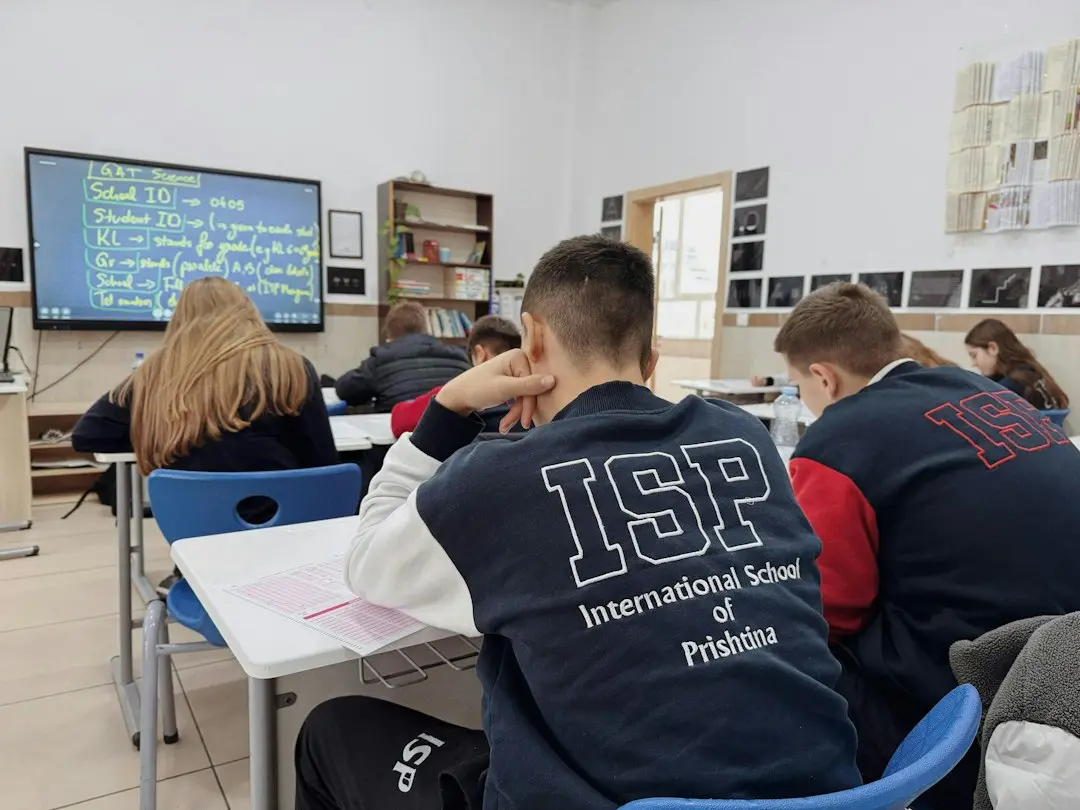
A recent study examined how institutional support systems influence psychological well-being among students at two vocational colleges in China, revealing significant links between campus resources and mental health outcomes. Researchers surveyed over 1,200 students across different academic years to assess perceptions of support services and their correlation with stress, anxiety, and life satisfaction. The findings highlight that structured institutional efforts—such as counseling access, peer mentoring, and faculty engagement—play a measurable role in fostering resilience and emotional stability in vocational education settings.
Wellness insights
 Brain Wiring Explains Why Trauma Victims Struggle To Find Joy
 Healing Journey: A Therapist Reflects on Processing Deep Childhood Trauma
 Forest walks boost mood through sound and biodiversity awareness
 What Counselling in Two Different Countries Taught Me: Hansel Wong on Connection, Curiosity, and Culture
The research, conducted in late 2025 and published in Frontiers in Psychology, focused on two distinct vocational institutions representing different regional and administrative contexts. Data collection involved standardized questionnaires measuring perceived institutional support, psychological distress, and overall well-being. Students who reported higher levels of institutional support—defined as accessible mental health services, responsive academic advising, and inclusive campus policies—consistently demonstrated lower symptoms of depression and anxiety. Notably, the protective effect of support was stronger among first-year students, suggesting early intervention may be particularly impactful.
What Role Do Peers Play in Student Well-being?
Despite similar national frameworks, the two colleges showed meaningful differences in how support was delivered and experienced. One institution emphasized integrated wellness programs embedded within academic departments, while the other relied more on centralized counseling centers. Students at the first college reported greater ease in accessing help due to familiar faculty involvement, whereas those at the second noted longer wait times but appreciated the professional specialization of staff. These variations suggest that institutional culture and implementation style significantly affect the real-world impact of support policies, even when resources appear comparable on paper.
Peer support emerged as a critical complement to formal services, with many students indicating that informal networks—such as classmates, roommates, or student clubs—were their first point of contact during emotional distress. The study found that students who participated in peer-led study groups or extracurricular activities reported higher levels of belonging and lower isolation, even when formal support usage was low. Researchers noted that while peer networks cannot replace professional care, they serve as vital early-warning systems and can encourage help-seeking behavior when combined with institutional outreach.
What type of vocational colleges were included in the study? The research focused on two public vocational colleges in China, one located in an urban eastern region and the other in a central provincial setting, representing differing levels of resource allocation and administrative structure.
Frequently Asked Questions
How was institutional support measured in the research? Support was assessed using a validated scale evaluating students’ perceptions of accessibility, responsiveness, and quality of mental health services, academic advising, and campus inclusivity initiatives.
Can the findings be applied to four-year universities? While the study specifically examined vocational colleges, the researchers suggest that similar mechanisms—such as early support integration and peer-faculty collaboration—may benefit broader higher education contexts, though further investigation is needed.