The Brain’s Stress Circuit Stays Lit
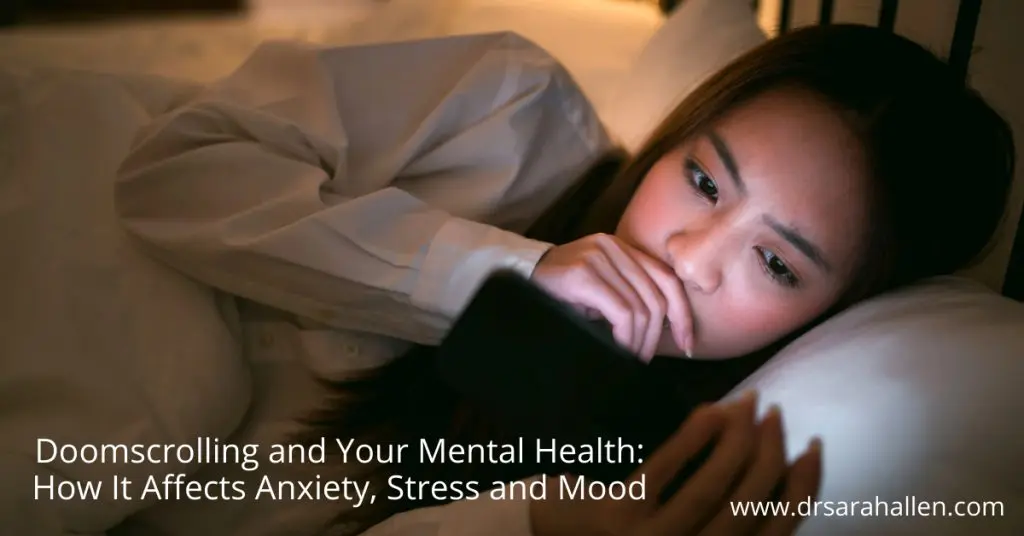
The habit of endlessly scrolling through grim headlines and distressing posts has surged worldwide, especially since the pandemic tightened digital reliance. Psychologists say the compulsive intake of negative content spikes anxiety, heightens stress hormones, and disrupts sleep, creating a feedback loop that harms mental health.
Wellness insights
 Sleep Paralysis: A Red Flag or a Misleading Symptom?
 The Psychology of the Perfect Sip: Why Craft Beer Rituals Reduce Stress
 Does Social Media Cause Teen Anxiety and Depression? Evidence Is Unclear
 The Silent Treatment Can Damage Relationships. Here’s What to Do Instead
Researchers describe doomscrolling as a near‑automatic habit where users feel compelled to check social feeds for alarming updates, even when they know it will worsen their mood. The brain’s stress response stays switched on, leading to muscle tension, racing thoughts, and difficulty falling asleep. Frequent checking, irritability, and a sense of helplessness are common signals that the behavior has become problematic.
Neuroscientists explain that constant exposure to threatening news keeps the amygdala— the brain’s alarm center—active. This prolonged activation releases cortisol, the body’s primary stress hormone, which, over time, can impair memory, lower immune function, and increase feelings of dread. „When people scroll through distressing stories without pause, they essentially keep their fight‑or‑flight system engaged,” says Dr. Lena Ortiz, a clinical psychologist specializing in digital behavior. Studies show that even short bursts of negative media can raise heart rate and blood pressure, mirroring the physiological signs of acute stress.
Is Doomscrolling a Modern Addiction?
The pattern mirrors classic addiction: a cue (a notification), a compulsive behavior (scrolling), and a short‑term reward (temporary reassurance or curiosity). Yet the reward is fleeting, and the subsequent crash leaves users more anxious than before. Surveys indicate that a majority of heavy social‑media users admit to checking their feeds first thing in the morning and again before bed, despite recognizing the toll on their mood. Mental‑health professionals advise setting strict time limits, turning off non‑essential notifications, and replacing scrolling with calming activities such as reading or brief walks.
If left unchecked, doomscrolling can deepen depressive symptoms, erode interpersonal relationships, and diminish productivity at work or school. Experts predict that as news cycles accelerate, the pressure to stay informed will intensify, making proactive digital hygiene essential for preserving mental well‑being.
Frequently Asked Questions
How can I tell if I’m doomscrolling? Look for compulsive checking, irritability after scrolling, and trouble sleeping. If you feel compelled to refresh even when the content is distressing, it’s likely doomscrolling.
What immediate steps reduce its impact? Set a timer for social‑media use, mute push alerts, and schedule specific news‑checking windows. Replace scrolling with a brief physical activity or a relaxation technique.
Will limiting doomscrolling improve my anxiety? Reducing exposure to negative content can lower cortisol levels, improve sleep quality, and gradually ease anxiety symptoms, according to clinical observations.