
The Architecture of Daily Survival
People with Complex PTSD often describe feeling trapped in a world that suddenly seems too small. The wide range of normal responses to life shrinks until simply surviving each day becomes the primary goal.
Wellness insights
 Brain Wiring Explains Why Trauma Victims Struggle To Find Joy
 Healing Journey: A Therapist Reflects on Processing Deep Childhood Trauma
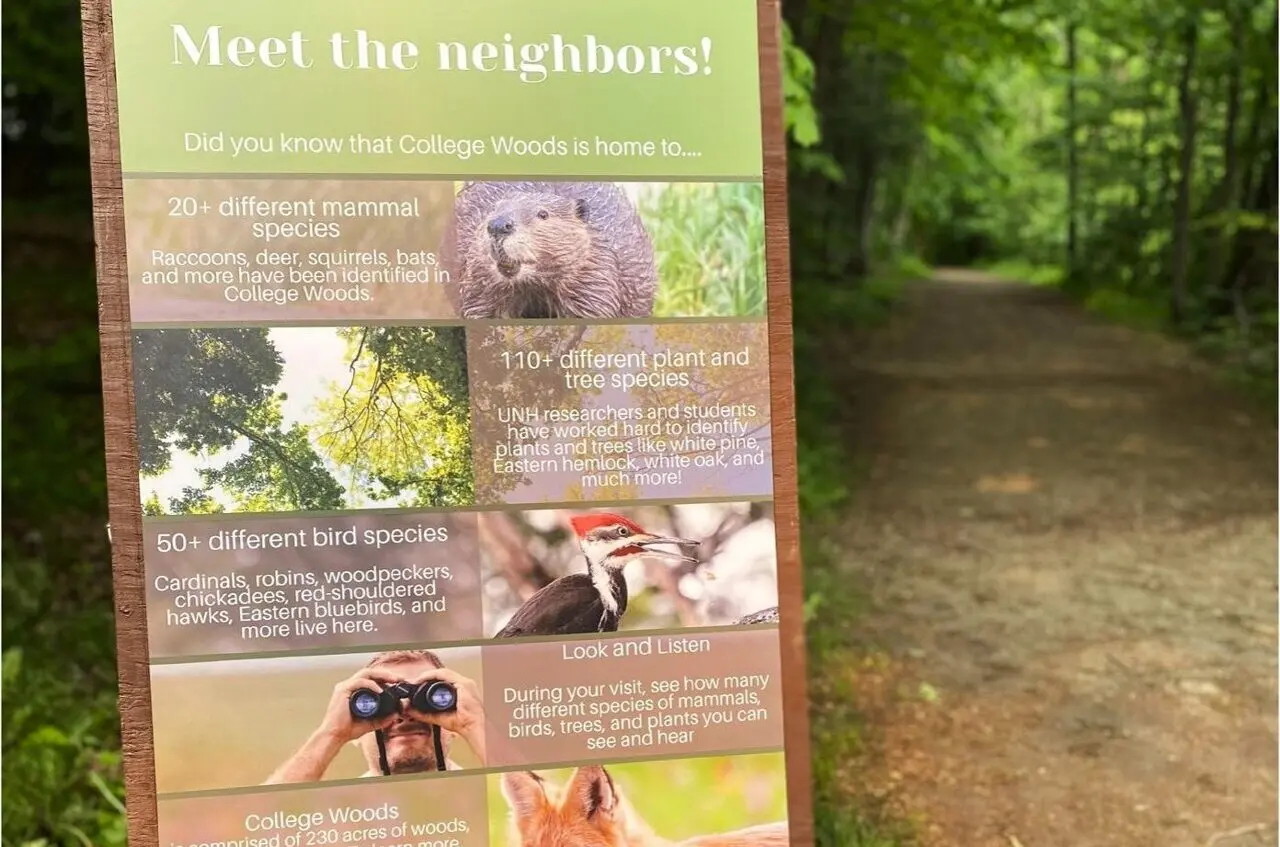 Forest walks boost mood through sound and biodiversity awareness
 What Counselling in Two Different Countries Taught Me: Hansel Wong on Connection, Curiosity, and Culture
The trauma response system can shut down other possibilities. When the nervous system remains stuck in high alert, everyday decisions feel overwhelming. Many individuals develop makeshift structures—coping mechanisms that function like scaffolding—to help them navigate daily life while healing continues.
These DIY supports aren't substitutes for professional treatment, but they often emerge from real-world necessity. Someone might create a ritual for leaving the house, build a network of trusted contacts, or develop grounding techniques that interrupt dissociative episodes. The scaffolding varies widely based on individual trauma history and current circumstances.
Complex PTSD fundamentally alters how people experience safety and choice. Research indicates that chronic trauma rewires the brain's threat detection system, making it difficult to distinguish between actual danger and routine stressors. This neurological shift means that what might seem like minor obstacles can trigger full-blown survival responses.
Dr. Rachel Yehuda's work on trauma neurobiology shows that prolonged stress exposure damages the hippocampus and prefrontal cortex—areas responsible for memory and executive function. When these regions become impaired, people lose the ability to contextualize their experiences. Everything feels urgent, everything demands immediate action.
Can DIY Scaffolding Replace Professional Help?
Survivors often describe developing what they call lifelines—specific people, places, or practices that provide stability when everything else feels uncertain. These aren't necessarily therapeutic interventions, but they create enough structure to allow healing work to happen. A morning routine, a trusted friend's phone number, or a consistent bedtime ritual can function as temporary supports until more formal treatment takes hold.
The question of whether informal coping strategies can substitute for clinical intervention remains complex. While many people report that their self-built supports prevented crisis, research consistently shows that comprehensive trauma treatment produces more durable outcomes.
Established therapies like EMDR and sensorimotor psychotherapy target the root neurological changes caused by chronic trauma. These approaches help rewire the nervous system's response patterns in ways that informal strategies cannot. However, accessing this treatment often requires resources and stability that DIY scaffolds themselves help create.
The relationship isn't binary. Informal supports frequently serve as bridges to formal care. Someone who develops a consistent sleep routine through trial and error may eventually benefit from therapy that addresses the underlying trauma preventing restful sleep.
Looking ahead, the gap between what people can access and what they might need continues to drive innovation in community-based supports. Online peer groups, trauma-informed housing programs, and accessible therapy models are expanding options beyond traditional clinical settings. The scaffolding built through lived experience remains essential—not as replacement, but as foundation.
What does scaffoldingmean in trauma recovery?
Frequently Asked Questions
Scaffolding refers to temporary supports people build around their daily lives—routines, relationships, or rituals—that provide stability while healing occurs. These aren't permanent fixes but bridges to longer-term recovery.
Can everyday coping strategies really help with Complex PTSD symptoms?
Yes, informal strategies often reduce immediate distress and create space for formal treatment. However, they don't address the underlying neurological changes trauma creates, which typically require professional intervention.
How do people know when they're ready for professional trauma treatment?
Often, DIY scaffolds themselves signal readiness—when someone can maintain basic routines consistently enough to attend therapy regularly, or when coping mechanisms no longer sufficiently prevent crisis.