
The Spiral of Digital Dependency
A recent study published in Frontiers in Psychology on September 21, 2026, investigates the intricate link between excessive internet use and escalating academic pressure among university students. Researchers analyzed how digital dependency directly amplifies the psychological burden experienced by young adults navigating higher education.
Wellness insights
 DanceSport Boosts Mental Well‑Being for Chronic Disease Patients
 Nursing Students Need Mental Health Support Built Into Their Training
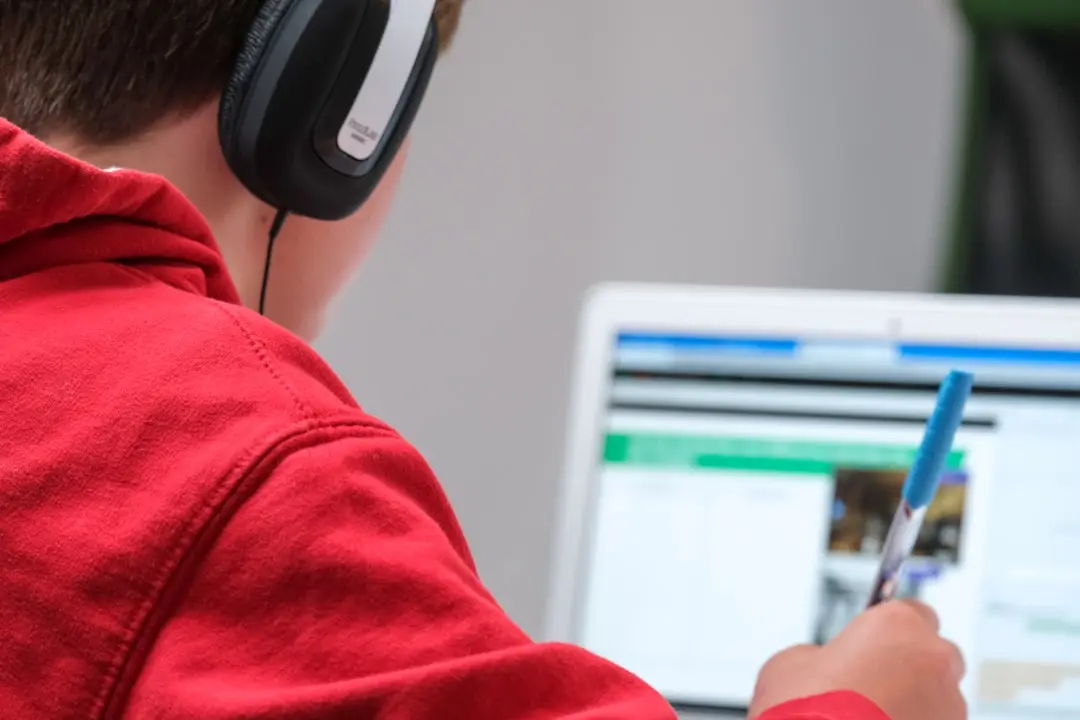 How Teenagers Interact Online Matters Most for Mental Health
 Depression Treatments Alter Emotional Processing
Modern undergraduates face unprecedented academic demands, creating an environment where digital escape often becomes a double-edged sword. While screens offer temporary relief from heavy workloads, compulsive online habits frequently disrupt study schedules and heighten feelings of inadequacy.
Can Virtual Coping Mechanisms Worsen Real-World Pressures?
When students rely on the internet to cope with mounting pressures, they often fall into detrimental behavioral loops. Procrastination sets in as academic deadlines loom closer, forcing intense bursts of work that elevate stress levels even further. This cycle diminishes overall academic performance and deepens psychological distress.
The research highlights a sequential mediation model to explain these dynamics. Psychological factors act as stepping stones, connecting excessive screen time to heightened anxiety about future academic success.
Relying on digital distractions rarely solves underlying academic difficulties and typically exacerbates them over time. As virtual engagement increases, face-to-face support systems weaken, leaving students isolated with their mounting responsibilities.
Frequently Asked Questions
Addressing these challenges requires a better understanding of how digital habits influence mental well-being in academic settings. Institutions must recognize these behavioral patterns to provide effective interventions and healthier coping strategies for stressed students.
Q: When was this study published? A: The research was published on September 21, 2026, in the journal Frontiers in Psychology.