Voices from Vulnerable Shores
Researchers in San Cristóbal recently examined how children and adolescents on the remote Galápagos Islands perceive and feel about ongoing climate shifts. The study explores the psychological impact of environmental changes on young residents living in a globally recognized and vulnerable ecosystem.
Wellness insights
 Brain Wiring Explains Why Trauma Victims Struggle To Find Joy
 Healing Journey: A Therapist Reflects on Processing Deep Childhood Trauma
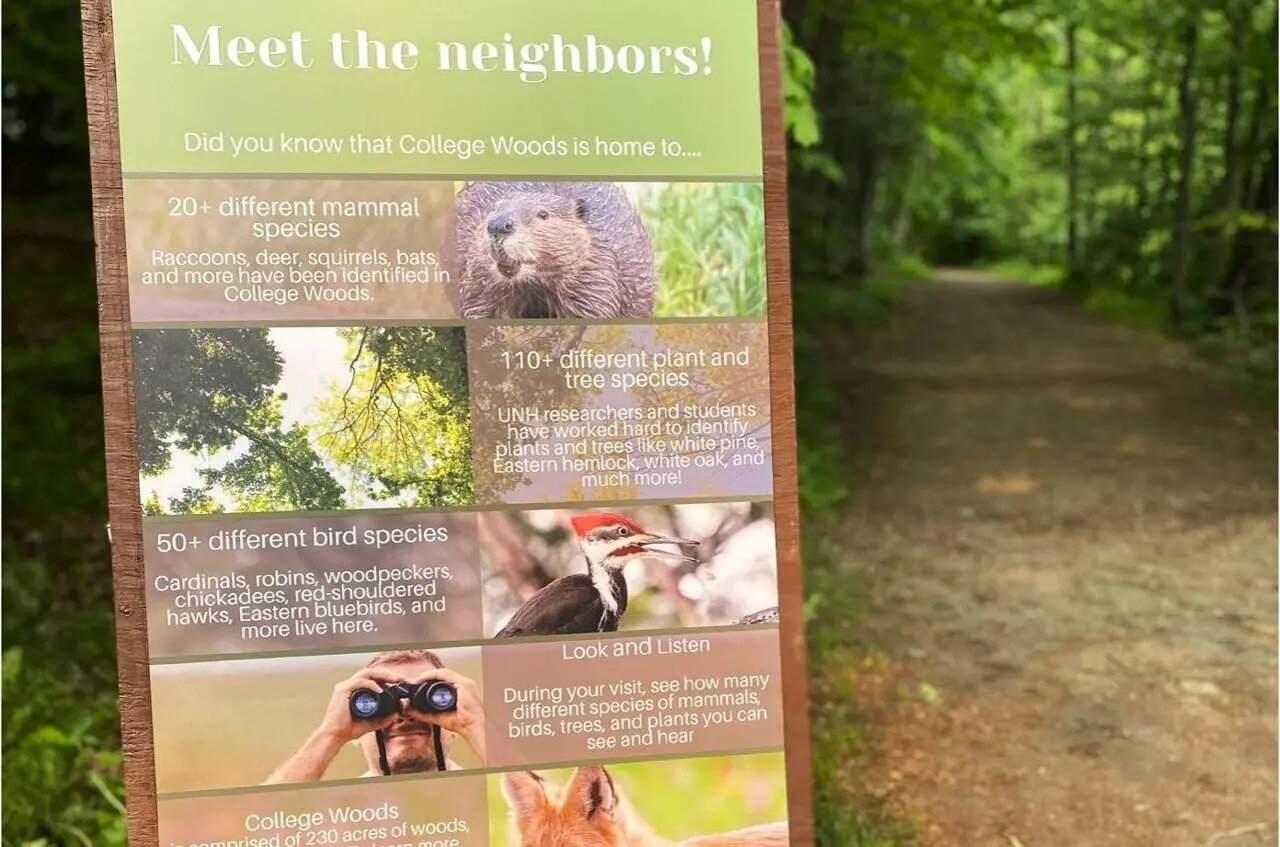 Forest walks boost mood through sound and biodiversity awareness
 What Counselling in Two Different Countries Taught Me: Hansel Wong on Connection, Curiosity, and Culture
Global studies consistently highlight that roughly one billion children face extreme dangers from environmental degradation and changing weather patterns. Island youth often observe these shifts directly in their unique local habitats, which creates distinct emotional responses and deep concerns for their future.
Young people in island communities frequently witness coastal erosion, shifting weather cycles, and marine ecosystem changes firsthand. These observations shape their daily lives and influence how they view global environmental policies.
What Drives Youth Eco-Distress?
Psychologists emphasize that understanding these youthful perspectives helps researchers grasp the broader emotional toll of ecological disruption. Children express a mix of worry, resilience, and a strong desire to protect their native wildlife and surrounding ocean.
Local ecological degradation directly threatens the unique biodiversity that defines life in the Galápagos archipelago. When young residents see iconic species and local habitats under stress, their emotional well-being absorbs the impact.
Researchers note that this awareness often translates into proactive attitudes rather than helpless despair. Many participants in the region voiced a clear readiness to engage in conservation efforts if given proper support and platforms.
The psychological burden on the next generation requires careful attention from educators, policymakers, and community leaders. Addressing these emotional needs ensures that young islanders can build resilience while coping with a rapidly changing natural world.
Frequently Asked Questions
What prompted the psychological research in San Cristóbal? Investigators wanted to understand how children and adolescents on the Galápagos Islands experience and process climate change emotionally.
Are young islanders heavily impacted by environmental shifts? Global data shows that roughly one billion children face extreme climate risks, and island youth witness these ecological changes directly in their local habitats.
How do children generally react to these environmental threats? While many experience worry and distress, they also demonstrate remarkable resilience and a strong desire to participate in local conservation efforts.