
Recognizing the Signs
Children experience emotions just like adults, but often lack the vocabulary to express them, making it crucial for parents to be aware of their mental well-being. When discussing mental health, the focus is usually on adults, but children can suffer from anxiety, depression, and other issues just as severely.
Wellness insights
 Different Brains, Calmer Days: Overcoming the Silent Overlap of Anxiety and ADHD
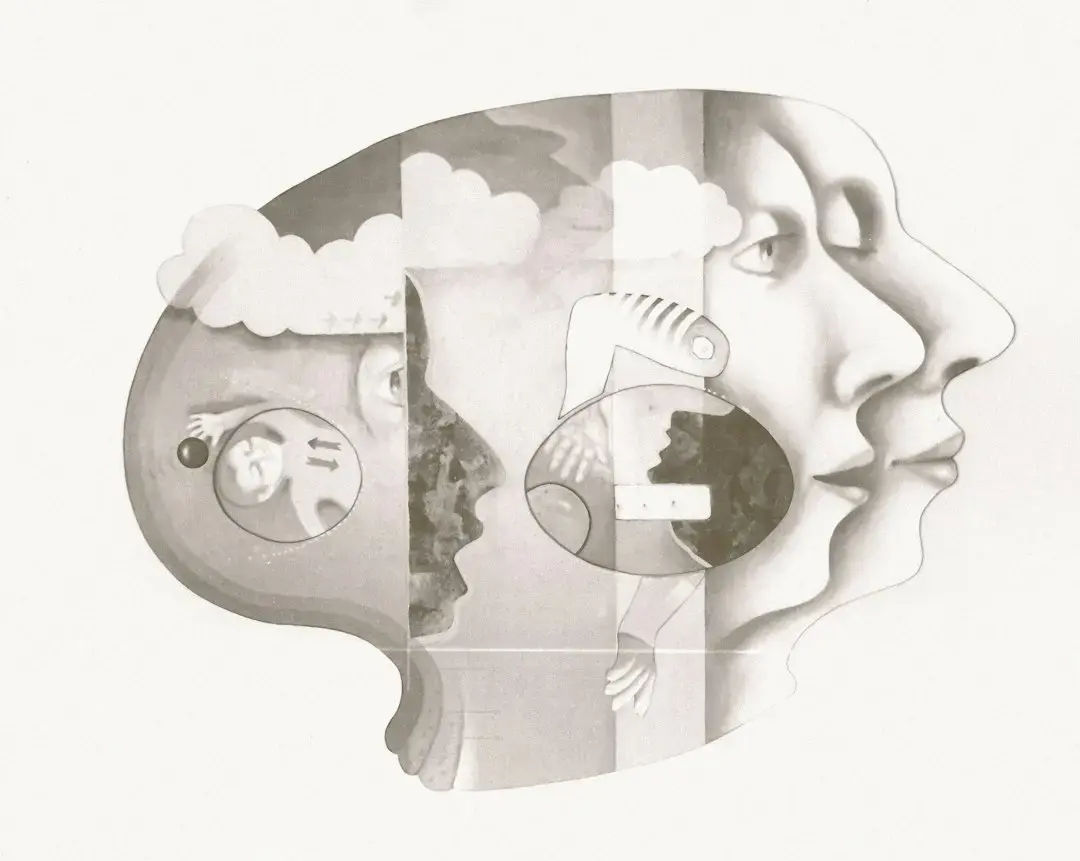 Integrated psychotherapy reduces relapse risk in schizophrenia
 The Honest Truth About Aromatherapy Roll-Ons and Mood
 Three Ways Your Brain Rewires Itself After Emotional Abuse
Children may not be able to articulate their feelings, so parents need to be vigilant for signs of mental health issues, such as changes in behavior or mood. They may become withdrawn, irritable, or exhibit unusual behaviors, indicating underlying problems that need attention.
Are You Missing the Warning Signs?
Parents should be aware that children's mental health issues can manifest differently than in adults, making it essential to understand the specific signs to look out for. For instance, a child experiencing anxiety may become clingy or exhibit fearful behavior, while a depressed child may appear lethargic or lose interest in activities they once enjoyed.
Frequently Asked Questions
If left unchecked, children's mental health issues can have long-term consequences, affecting their development, relationships, and overall well-being. Early recognition and intervention are critical in helping children manage their mental health and develop healthy coping mechanisms.
How can I tell if my child is experiencing anxiety? If your child is exhibiting excessive worry, fear, or avoidance behaviors, it may be a sign of anxiety. Consult a professional for guidance. What are the signs of depression in children? Depression in children can manifest as changes in appetite, sleep patterns, or mood, as well as withdrawal from social activities. Can children's mental health issues be treated? Yes, with early intervention and proper treatment, children can learn to manage their mental health and develop healthy coping strategies.