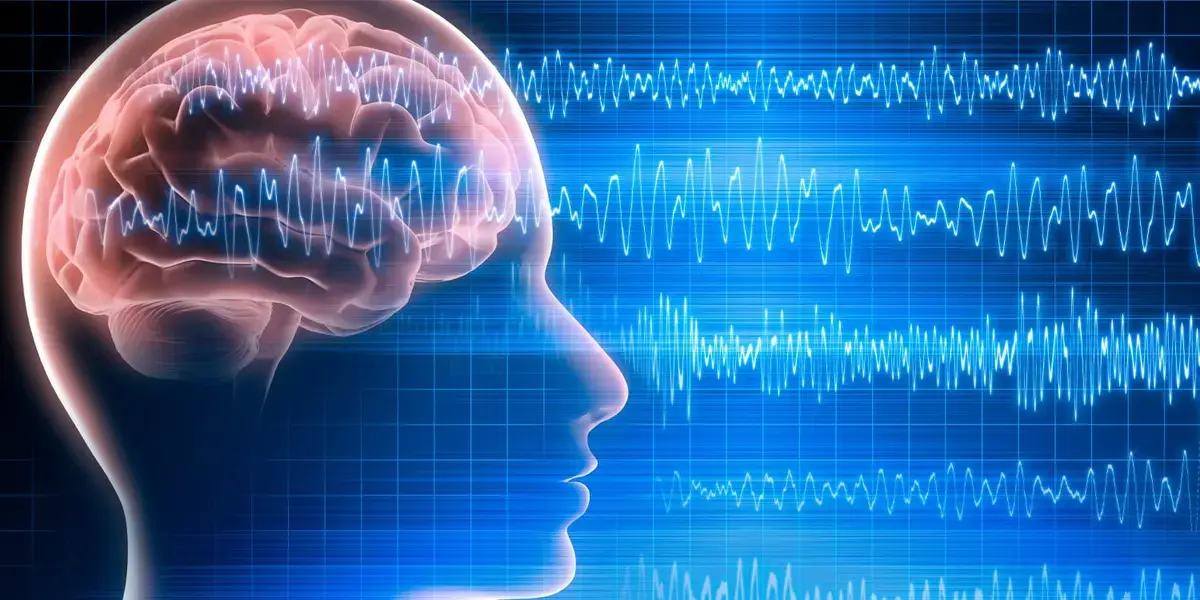
Unpacking the Brain's Response
Researchers at a US university investigated psychopathic behavior by measuring brainwaves and startle reflexes using a smartphone. The study involved participants with varying levels of psychopathic traits. Data collection was done via a mobile app.
Wellness insights
 Brain Wiring Explains Why Trauma Victims Struggle To Find Joy
 Healing Journey: A Therapist Reflects on Processing Deep Childhood Trauma
 Forest walks boost mood through sound and biodiversity awareness
 What Counselling in Two Different Countries Taught Me: Hansel Wong on Connection, Curiosity, and Culture
Different psychopathic personality traits affect how the brain allocates attention and processes emotions. Traits like boldness alter focus, while traits like meanness reduce emotional reactivity to distressing images. This distinction offers a more nuanced understanding of the biological roots of psychopathy.
Can Psychopathy be Predicted?
The study used electroencephalography (EEG) to measure brain activity in response to emotional stimuli. Participants with high levels of boldness showed altered attention allocation, while those with high meanness exhibited reduced emotional reactivity. This suggests distinct neural mechanisms underlying different psychopathic traits.
The research, published in a psychology journal, analyzed data from a diverse group of participants. By examining brainwave activity, the team identified specific patterns associated with psychopathic behavior. This breakthrough could lead to more targeted interventions.
The discovery of distinct biological roots for psychopathic behavior raises questions about the potential for early identification and intervention. If specific brainwave patterns can be linked to psychopathic traits, it may be possible to develop predictive models.
Frequently Asked Questions
Understanding the neural mechanisms underlying psychopathy could have significant consequences for diagnosis and treatment. By recognizing the different biological pathways involved, clinicians may be able to develop more effective, personalized interventions.
What did the study measure? The research measured brainwaves and startle reflexes in response to emotional stimuli using a smartphone-based EEG. Can psychopathy be treated? The study's findings suggest that understanding the biological roots of psychopathy could lead to more targeted interventions. What are the implications for diagnosis? The discovery of distinct brainwave patterns associated with psychopathic traits may enable earlier identification and diagnosis.