
Harsh Parenting Linked to Teen Depression and Aggression Through Repetitive Thinking
A three-year study tracking Chinese adolescents found that harsh parenting practices such as yelling and physical punishment increase the risk of depression and
A three-year study tracking Chinese adolescents found that harsh parenting practices such as yelling and physical punishment increase the risk of depression and

Learning how to deal with anxiety is a personal journey many people navigate daily. Simple yoga practices can offer immediate relief by calming the nervous syst
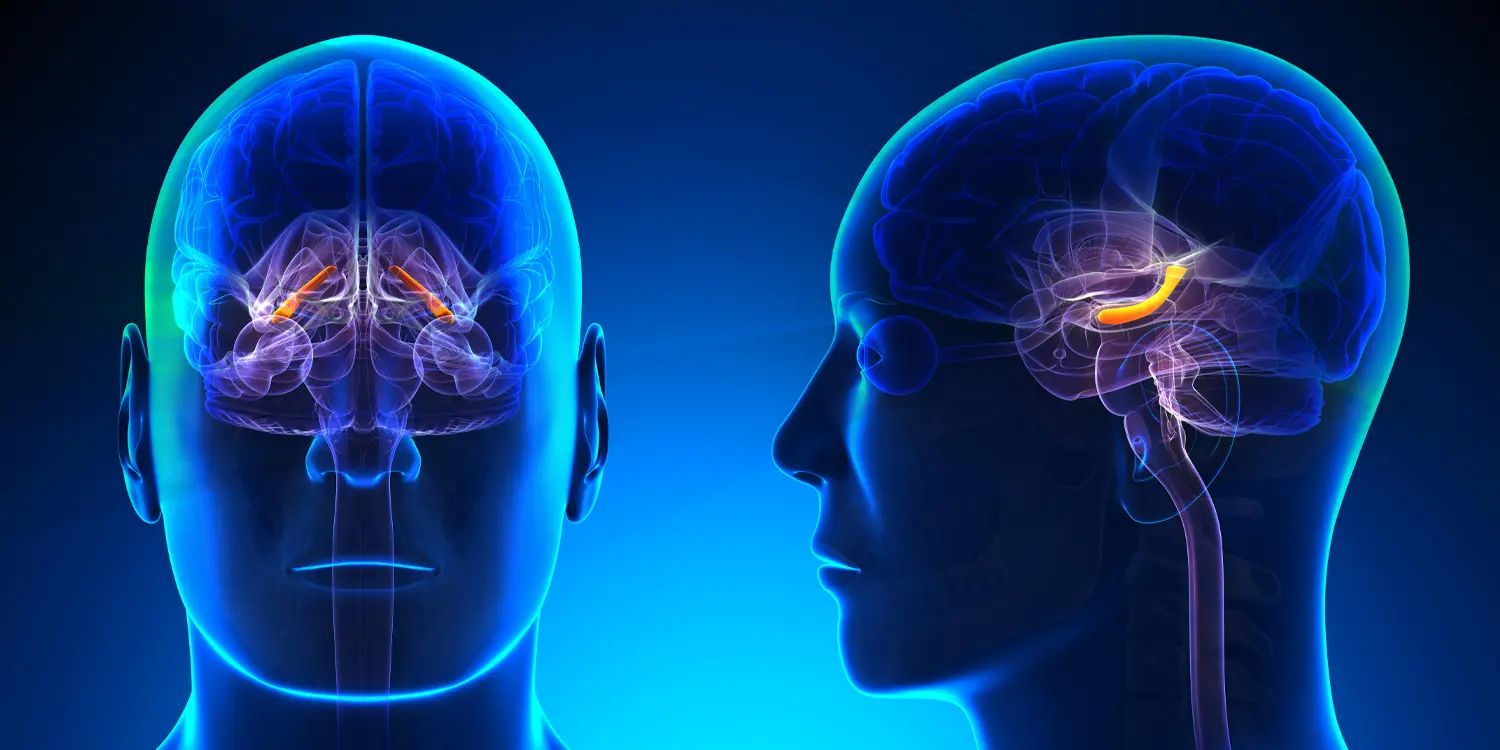
Researchers have identified a shift in how aging brains handle detailed memories, revealing why recall becomes less precise over time. A recent study using brai

Scientists are highlighting a lesser-known symptom of depression that can disrupt sight, hearing, taste, smell, and touch, often going unnoticed in diagnosis. T

Scientists at Constructor University report that the same attention shifts that challenge people with ADHD can also fuel creative thinking. The study, released

People are losing confidence in their own decisions, often relying on technology and social influencers instead of their inner judgment. This shift is weakening

New research indicates that mental health disorders emerging after traumatic events significantly elevate the likelihood of future cardiovascular problems. The

A new study by researchers at University College London reveals that adults who endure chronic financial difficulties from their twenties into their forties sho

Rutgers University researchers reported on September 2, 2026 that regular aerobic activity—such as brisk walking, cycling, or swimming—significantly enhances ex

It’s a familiar scene: After a day of work meetings, calls to extinguish spontaneous fires, and inbox navigation, it’s finally time to sit down and think creati

Women in India seeking support after traumatic experiences often face unique challenges when looking for appropriate mental health care. Trauma can result from

A new study from the University of Eastern Finland reveals that people who prefer staying up late, known as „night owls,„experience more mental health challenge